
 By Admin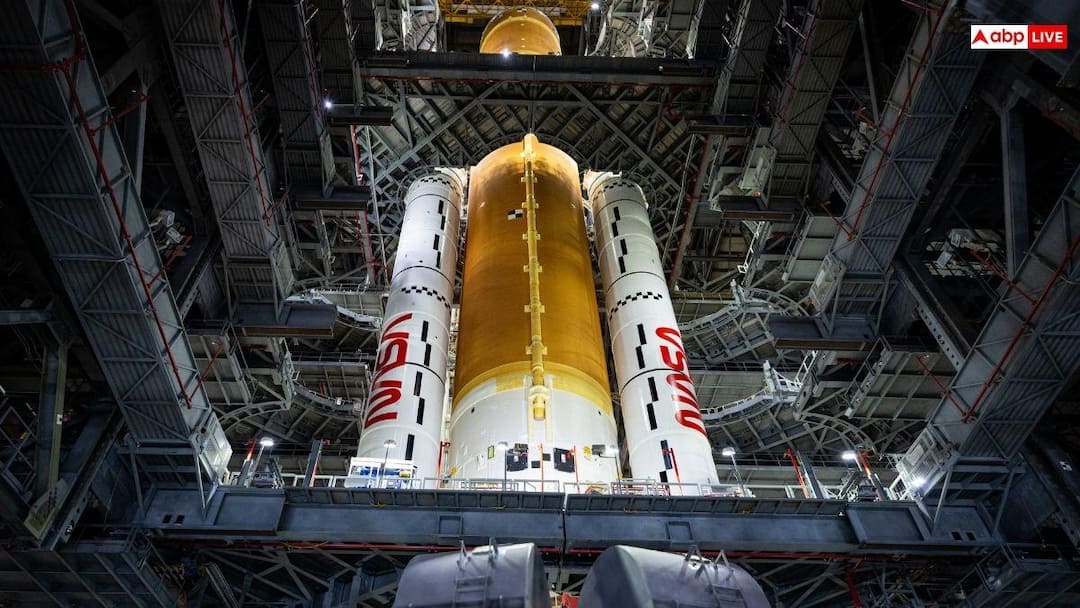
Apollo vs Artemis II: NASA’s Artemis II mission has now reached an important milestone. In this, the Space Launch System rocket and Orion spacecraft have reached launch pad 39b. Meanwhile, let us know what is the difference between Apollo and Artemis II missions and what has changed in 54 years.
different goals
The Apollo missions began in the shadow of the Cold War. Its main purpose was political and symbolic. Its goal was to land the Americans on the moon before the Soviet Union and demonstrate technological superiority. Speed was more important than stability. In contrast, Artemis II is part of a long-term exploration strategy. Its goal is not just to reach the moon but to establish a permanent presence of humans, especially near the south pole of the moon. It wants to use the Moon as a stepping stone for future Mars missions.
Mission duration and human presence
Apollo missions were short and fast. The longest stay on the moon during this mission was only three days on the lunar surface. Artemis II missions are designed for long duration. It will itself carry astronauts to lunar orbit for a long deep space mission. Also, the future Artemis mission will help the crew to stay in space for 21 days.
rockets and spacecraft
Technically the difference is huge. Apollo depended on the Saturn V. Artemis II uses the Space Launch System. It is currently the most powerful operational rocket in the world. The Orion spacecraft is also a huge leap. It offers approximately 50% more living space than the Apollo Command Module, modern life support systems, a proper toilet, and solar panels for electricity.
Safety Standards and Life Support Systems
One of the most important changes is security. The Apollo spacecraft used an atmosphere of pure oxygen, which proved fatal during the Apollo 1 ground test fire. Orion uses a safe nitrogen-oxygen mixture similar to Earth’s atmosphere. Modern computing, fault detection systems and redundant safety mechanisms have greatly reduced the risks.
sustainability and reusability
Apollo hardware was designed for single use. Most of the components were thrown away after being used once. Systems such as the Artemis Human Landing System and the planned Lunar Gateway space station are designed to be reused across multiple missions. Advanced materials, composite structures and even 3D printing components make spacecraft lighter, stronger and better suited for long-term exploration.
Also read: Which American Presidents had fought for oil before Trump? See the complete list