
 By Admin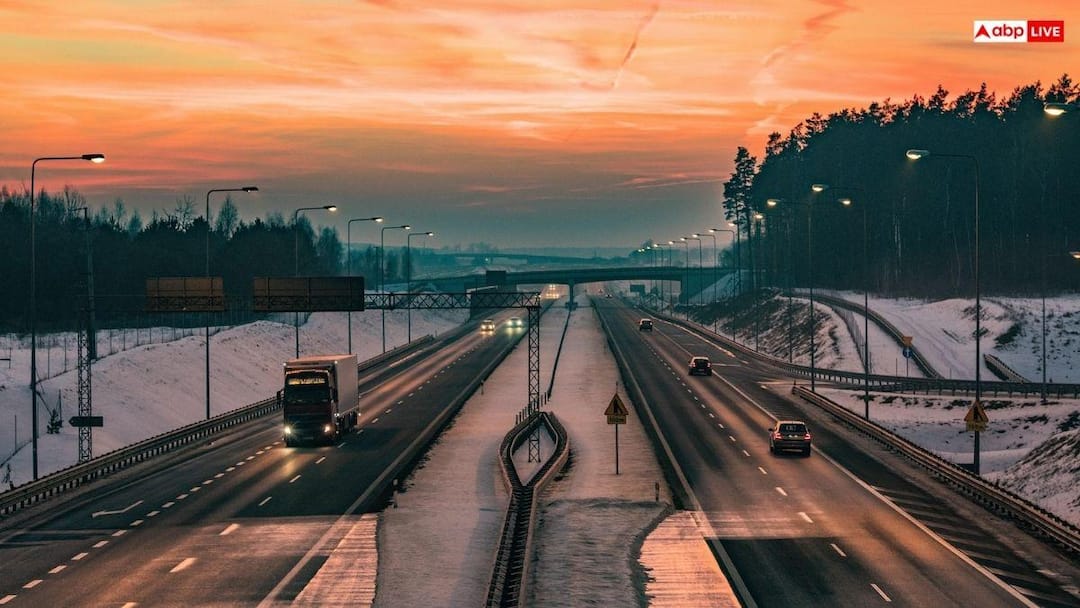
Autobahn Germany: Germany’s Autobahn is very famous. In fact, this is the biggest driving dream for car enthusiasts around the world. Long, smooth highways where drivers can legally drive their vehicles at very high speeds. But is it true that there is no speed limit there? Let us know what is the answer to this question.
No permanent speed limit
There is no permanent speed limit in large sections of the Autobahn network. But in many parts there are restrictions due to traffic, weather, urban areas or security concerns. About 70% of the network runs without any fixed limit. The reason behind the farmers’ system is history, better quality of engineering, driving discipline and economic policy.
Symbol of freedom after the second world war
Today’s no speed limit policy dates back to 1952. This decision was taken when the general highway speed limit was removed in West Germany. This step was politically symbolic. During the end of the Nazi regime and the Cold War, West Germany wanted to emphasize democratic freedom and individual liberty in contrast to communist East Germany.
Interestingly, speed limits were introduced during the Nazi era mainly to save fuel. Removing those limits after the war became a way to take a break from dictatorial control and promote a sense of personal responsibility and freedom on the streets.
Engineering designed for high speed
This is not a normal highway. It has been built according to very high engineering standards. Its road surface is thicker and more durable than many other highway systems around the world. It has been specially designed to withstand continuous high speed travel. Germany invests a lot in maintenance.
Roads are regularly inspected for potholes, cracks or uneven surfaces. These are problems that can be fatal at very high speeds. Smooth turns, long visibility range, and carefully designed entry and exit ramps also help in safety despite high speeds.
strict driving discipline
The biggest reason why Germany can allow unrestricted speed is its strict driving training and road discipline. Getting a driving license in Germany is very expensive and difficult. Drivers have to undergo rigorous theoretical and practical training. This is why those who pass are usually well prepared for high speed highway driving. Along with this, lane discipline is also strictly followed. Slow moving vehicles should remain in the right lane while the left lane is reserved for overtaking.
Advisory Speed and Legal Responsibility
However, there is no speed limit on many sections. Germany recommends an advisory speed of 130 kilometers per hour. This is not legally required but it plays a big role in liability. If a driver drives at a speed of more than 130 kilometers per hour and is involved in an accident, he may face greater legal responsibility. Now it may not be entirely his fault. In such cases, insurance claims can become more difficult.
Also read: Why is greeting done by bowing in Japan and shaking hands in Europe, know why there is this difference