
 By Admin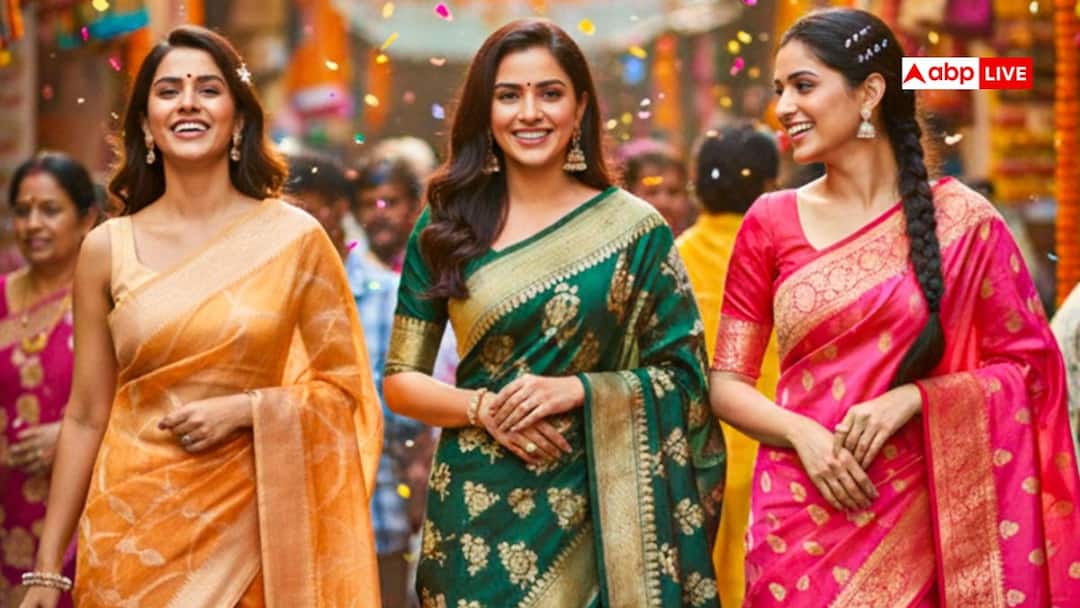

You can go to any corner of the country, from North to South, East to West. The culture of every place will be different, the food will change, the language will change, but one thing that you will find everywhere is Banarasi saree. This saree is not just a garment, but a symbol of India’s heritage.

The weaving art of Banaras, in whose threads the fragrance of history and the glimpse of the Mughal era is still felt, is as relevant today as it was centuries ago.

It is said that if a girl does not have a Banarasi saree in her wedding, then her attire is considered incomplete. And this is not said just like that, because every thread of this saree has the glow of hard work, tradition and workmanship which has been passed down for generations.

There is no exact document as to when this magic of silk started in Banaras, but it is certain that weaving resides in every vein of this place. There was a time when the son of a weaver became a weaver, the son of a dyer became a dyer. This art was not taught, but was inherited. And this legacy is keeping the Banarasi saree alive even today.

It would not be wrong if Mughal Emperor Akbar is called the greatest patron of art. During his period, Banarasi saree got royal status. It is said that Akbar and his son Jahangir patronized this art. It is also said that the women of the Mughal harem used to wear Banarasi sarees, on which zari work was done with fine gold and silver threads.

This is the reason that even today the influence of Islamic patterns and Persian lattice is visible on Banarasi saree. Then came the era of the British. This art suffered huge losses in the race for machines. The looms of many weavers became silent. But Banaras did not accept defeat. The weavers kept it alive with their skills.

Gradually this saree reached the common people. Once upon a time, this saree was the pride of only queens and begums, today it is a part of the wardrobe of women of every class. Today Banarasi sarees come in four major categories – pure silk (Katan), organza (Kora), georgette and shattir. Of these, pure silk is the most popular.
Published at : 02 Nov 2025 10:04 AM (IST)