
 By Admin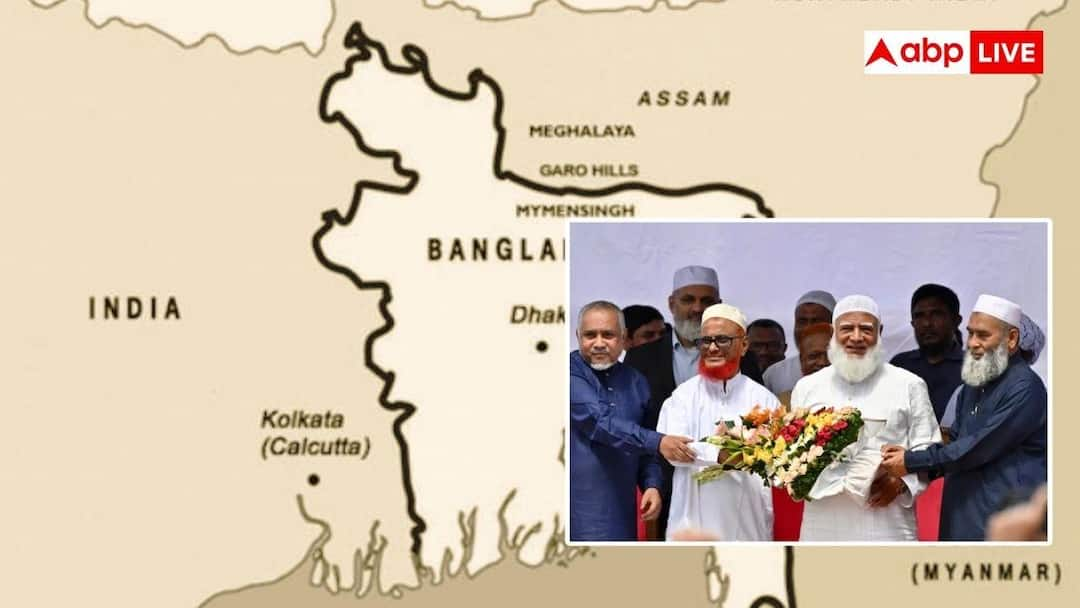
In the results of the 13th Parliament elections in Bangladesh, Tariq Rahman’s BNP has won an overwhelming majority in the entire country. Whereas Jamaat-e-Islami has performed strongly in the border districts adjoining West Bengal. Bangladeshi Satkhira, Kushtia, parts of Khulna belt and Rangpur areas adjacent to India have emerged as the strongest clusters of Jamaat.
How was the Jamaat cordon formed on the Indian border?
These Bangladeshi areas bordering India together form a continuous arc, which is directly connected to West Bengal, Assam and the Siliguri Corridor. Jamaat won a good number of seats in these border districts, while BNP swept urban and remittance-affected areas like Sylhet, Chittagong and Mymensingh.
Among these, Satkhira district is the most special, where Jamaat has captured all the 4 parliamentary seats. In Kushtia also, 3 out of 4 seats went to the account of Jamaat. Jamaat showed a strong hold in Rangpur area also. In other border areas like Naogaon-2, Joypurhat-1, Sherpur-1 and Gaibanda-1 also, Jamaat or its allies were ahead. These victories are based on rural, mosque and madrassa networks that have long had local influence. These voters are not anti-urban, but from deep rural areas, where old memories of violence and religious networks are strong.
Should India be worried about this?
This is a matter of concern for India, especially from the point of view of border security of West Bengal. Quoting Indian intelligence agencies, the report said that this growing political legitimacy of Jamaat will give confidence, cover and local security to the radicals. Earlier activities used to be secret, now they can be semi-open. The threat is less from bombs but more from radicals, such as lectures at Friday prayers, madrassa courses, WhatsApp preachers, cross-border marriages. Earlier infiltration focused on numbers, but now infiltration is selective, including trained ideology carriers, fund couriers and digital handlers. This number is undoubtedly less, but will have more impact.
Danger of communal polarization in India
Some reports quoting Indian intelligence sources say that there is no clear ISI footprint, but financial and ideological channels familiar to NGOs, charities and migrant routes are becoming active again, which will prove to be a classic deniability playbook. Small migration waves could increase communal polarization and political tensions in India. The pressure on border Hindu minorities may first increase, such as land disputes, threats and stealth displacement.
Overall, this regional strengthening of Jamaat is a new challenge for India despite the national victory of BNP. There may be a change in relations after the formation of Tariq Rehman’s government, but security agencies are alert due to the increasing presence of fundamentalism on the border. The report clearly stated that the danger is not from immediate attacks, but from the formation of a radical ecosystem in the long run. Surveillance on the India-Bangladesh border may increase further in the coming days.