
 By Admin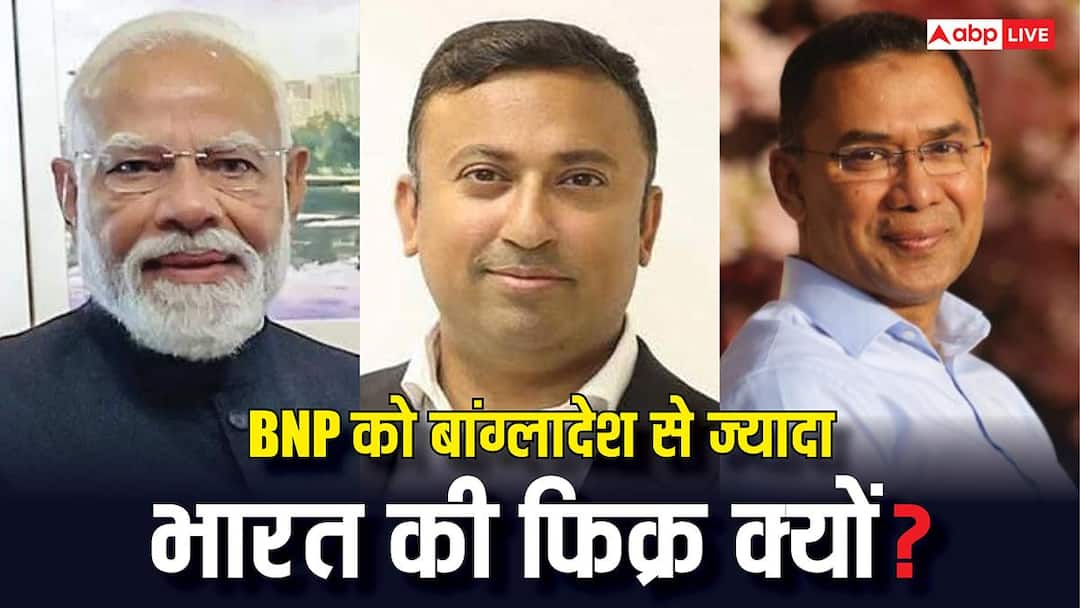
After the massive victory of BNP in the general elections held on 12 February 2026 in Bangladesh, now the biggest discussion is on the renewal of ‘Ganga Water Treaty of 1996’. This treaty is ending in December 2026 and the new BNP government has clearly indicated that it will now look at this treaty not only on the basis of the interests of the Indian states, but keeping the national interest of Bangladesh paramount. Apart from this, Tariq Rehman’s foreign affairs advisor Humayun Kabir has also expressed concern over India.
What concern did Humayun show about India?
After Sheikh Hasina left power in Bangladesh in August 2024, there have been large-scale communal incidents in which Hindus have been targeted. Along with attacks on Hindus in Bangladesh, their temples have also been targeted. But instead of speaking on this issue, Humayun Kabir commented on India itself. Kabir said that communal incidents in India are a matter of concern for Bangladesh. The people of Bangladesh feel that India is becoming an intolerant society and elections are being won there with the help of fundamentalist rhetoric, which is worrying.
Humayun also said that now India should accept that the power of Bangladesh has changed. Sheikh Hasina and Awami League no longer exist in Bangladesh. He said that Jamaat-e-Islami could not come to power in Bangladesh because it resorted to fundamentalist rhetoric. Kabir said, ‘Elections can never be won in Bangladesh with such rhetoric, but in India people are voting in its favor.’
The decision will be taken on the basis of national interests of Bangladesh
Humayun Kabir said in an interview, ‘Bangladesh will take the decision to renew the 1996 Ganga Water Treaty on the basis of its national interest. Earlier, Bangladesh has often been cited as being in the interests of Indian states that are linked to river water agreements. We will move forward in a manner that serves our national interest.
The Ganga Water Treaty was signed in 1996 during the time of Sheikh Hasina and it is 30 years old. Under the treaty, Ganga water is distributed between the two countries during the dry season from the Farakka Barrage. There is a provision of getting 35,000 cusecs of water to Bangladesh, but Bangladesh has been complaining for a long time that less water is available during drought. Due to this, salt water increases in south-western areas like Khulna and Satkhira, agriculture is ruined, fisheries are affected and there is huge damage to the environment.
First issue of Ganga Treaty talks
From the Indian side, West Bengal and other states demand more water during drought. Now when the treaty ends, there will be talks for a new treaty or renewal. The stance of the BNP government is clear that it will give priority to the agricultural, environmental and economic interests of Bangladesh. Humayun Kabir said that this will be the first and most important issue of discussion.
This change is also important because in the last 30 years there has been more pressure from the demands of Indian states in the interpretation and implementation of the treaty. Under BNP’s ‘Bangladesh First’ policy, Bangladesh will now demand a more aggressive and fair partition. Besides, issues like BSF action on the border, minority security and trade will also come up for discussion, but the Ganga Water Treaty will become the most sensitive and immediate issue.
Round of tough talks between India and Bangladesh
Indian Prime Minister Narendra Modi congratulated Tariq Rehman and talked about strong relations. But the new round of Ganga Treaty is indicating difficult negotiations for both the countries. Bangladesh will now put its water needs first, leaving India to balance with West Bengal and other states. This treaty is not only about sharing of water, but will also be a test of trust and strategic relations between the two countries.