
 By Admin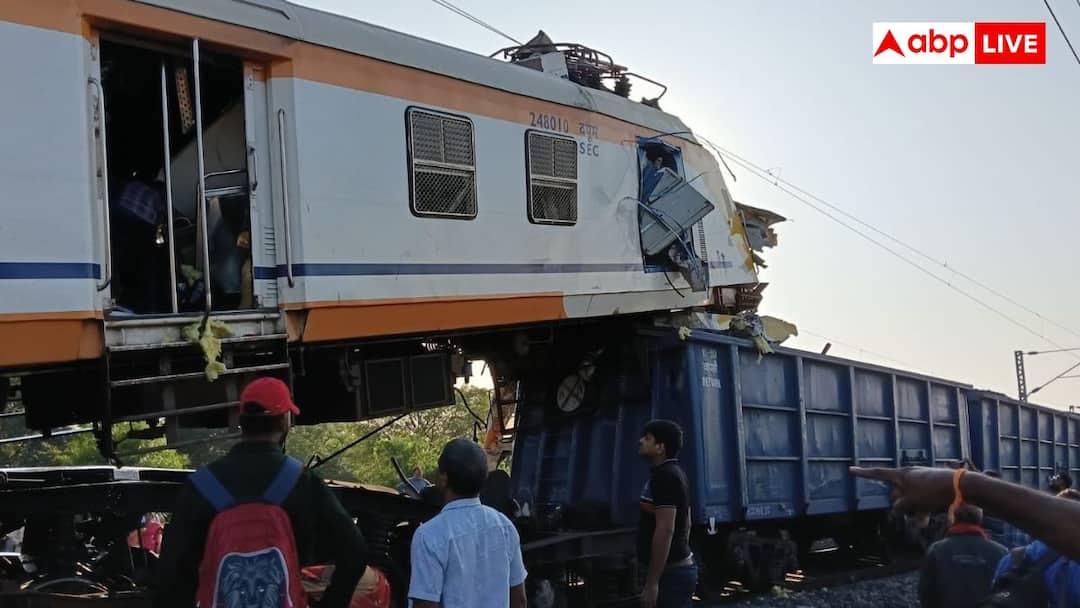
Bilaspur Train Accident: A major accident took place near Lal Khan in Bilaspur, Chhattisgarh. Actually, a passenger train running on Howrah route collided head-on with a goods train. Due to this collision many coaches derailed. There is also news of death of many people due to this accident. In the meantime, let us know how the relief system of Railways works and what is the rescue process.
Instant reporting and information flow
Whenever an accident occurs, communication starts between the train crew and the nearby station or divisional control room. The guard or loco pilot immediately reports the incident using track side telephone socket, satellite phone or wireless communication. After this the Divisional Control Office becomes the Central Command Centre. The Chief Controller or the Operations Manager understands the gravity of the situation and activates the Railway Disaster Management Plan. Senior officials along with the divisional engineer, medical team and security staff are immediately informed. This entire process happens so fast that relief work starts even before the complete picture of the accident becomes clear.
activating emergency response
As soon as the accident is confirmed through the control room, Indian Railways immediately activates the emergency response system. The first priority is to save lives and provide medical aid to the injured. Accident relief trains and accident relief medical vans are deployed from nearby stations. These special trains are strategically deployed in the railway zone to reduce response time. Accident relief trains carry heavy machinery, cranes and re-railing equipment, while accident relief medical vans act as mobile hospitals. These relief trains are given the highest priority and no other train is allowed to run ahead of them until they reach the accident site.
rescue and relief operations
As soon as the Accident Relief Train and Accident Relief Medical Van arrive, the rescue operation is started under the supervision of the onsite commander. The medical team provides first aid and emergency treatment to injured passengers. Along with this, seriously injured passengers are taken to nearby hospitals through ambulances arranged by the district authorities. Injured passengers are evacuated safely and some alternative transport is provided to continue their journey.
Amidst all this, railway engineers and technicians start the work of lifting the derailed coaches, cutting the stuck coaches and removing the debris. Heavy cranes, hydraulic rerailing equipment and airlifting equipment are used in this entire process. The principle of Golden Hour is followed to save the lives of most people. Under this principle, treatment has to be provided within the first hour of injury.
interoperability between agencies
The officer in charge at the incident site takes complete command and coordinates with many departments. The operations, engineering, medical and safety teams of the railway division work in coordination. Along with this, local administration and disaster management work together for crowd control, medical aid and security.
restoration of services
As soon as the rescue and evacuation operations are completed, work is started to restart the railway services. Damaged coaches are removed with the help of cranes and the tracks are inspected for wear and tear. Engineers work around the clock to repair damaged tracks, signaling equipment and overhead lines.
Investigation and accountability
Every major accident is followed by an official investigation, often by the Commission of Railway Safety. In this investigation, the causes of the accident are found out, whether it is human error or equipment malfunction. Based on the findings after investigation, corrective measures are taken to prevent such incidents in future and meanwhile Railways releases ex-gratia amount to the victims and their families.
Also read: From making trucks and buses to banks… what all does Hinduja Group do, see the complete list.