
 By Admin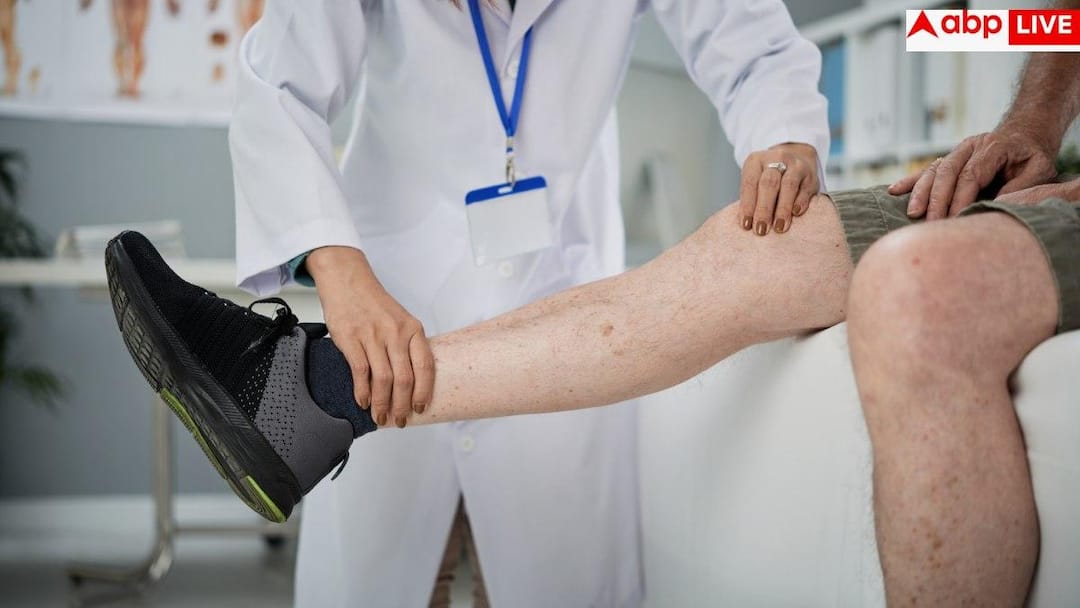
Why Do Blood Clots Form In Legs: Sudden pain, swelling or feeling of heaviness in the legs may sometimes seem like a simple problem, but there can also be serious reasons behind it like formation of blood clots. In medical language, it is called venous thrombosis, in which the blood becomes thick and starts accumulating in the veins and causes blockage. If this clot breaks and reaches the lungs, it can cause a fatal condition i.e. pulmonary embolism.
What is the problem?
Recently, a research by scientists of Lund University has revealed surprising facts regarding this problem. In this study, it was found that not only lifestyle, but also certain genes can significantly increase the risk of blood clot formation. This research was done on the data of about 30 thousand people under the “Malmö Diet and Cancer Study”. In this, scientists studied 27 genes which are related to blood clotting. After analysis, three major genes ABO, F8 and VWF were identified, which increase this risk.
According to research, each of these genes alone can increase the risk by 10 to 30 percent. But if many such genetic factors are present together in a person, then the risk increases significantly. In people who were found to have up to five such risk factors, the risk of blood clot formation was seen to be up to 180 percent higher. This discovery helps in understanding why some people become victims of this problem even without any apparent reason. The scientist also said that a genetic mutation called “Factor V Leiden” is already known, which increases the tendency of blood to form clots.
Read this also – Weekend Warrior Exercise: You can stay healthy by exercising just 2 days a week, know the very easy ways
Important role of lifestyle
However, not only genes, lifestyle also plays an important role in this. Sitting in one place for long periods of time, such as on a long flight or bed rest after surgery, slows blood flow and increases the risk of clots. Apart from this, obesity, increasing age and excessive height are also considered factors that increase this risk. Diet can also play a role in this. Some studies have indicated that eating too much ultra-processed food may increase the risk, while a diet rich in fruits, vegetables and omega-3 fatty acids may help reduce the risk.
Treatment can be improved
Experts believe that in future, treatment can be improved on the basis of such genetic information. This will help in deciding which patient needs blood thinner medicines and for how long.
Read this also – Anal Cancer Symptoms: If there is blood in the toilet then it may not be just piles, it could be anal cancer, know how dangerous it is?
Disclaimer: This information is based on research studies and expert opinion. Do not consider this as a substitute for medical advice. Before adopting any new activity or exercise, please consult your doctor or relevant specialist.
Check out below Health Tools-
Calculate Your Body Mass Index (BMI)
Calculate The Age Through Age Calculator