
 By Admin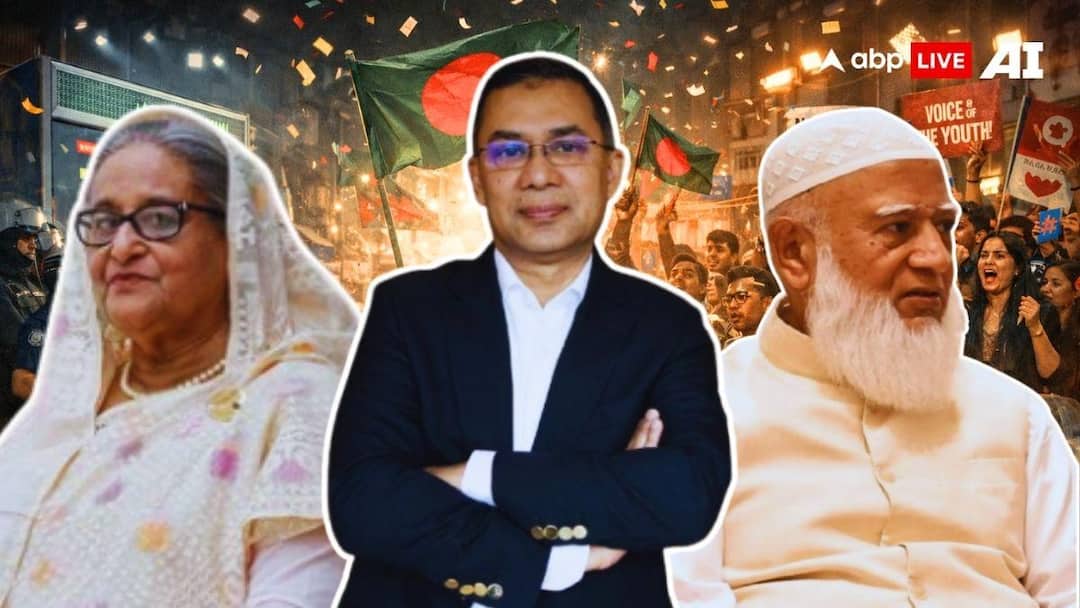
Parliamentary elections were held in Bangladesh on 12 February 2026, the first major national elections since the student-led movement toppled Sheikh Hasina’s government in 2024. This election took place after the ban of Awami League (Sheikh Hasina’s party) and was the first test of the return of democracy after the interim government of Muhammad Yunus. The main contest in the election was between the Bangladesh Nationalist Party (BNP) and the Jamaat-e-Islami-led 11-party alliance (which included the National Citizen Party or NCP). This election was historic in the history of Bangladesh as new forces emerged for the first time after the GenZ movement, but the results show the return of old politics. The 15 year old supremacy of Jamaat has ended.
BNP’s great comeback and gaining majority
Tariq Rehman’s party returned to power after 20 years, the reason for which is Tariq Rehman. He was in exile in London for 17 years and returned to Dhaka in December 2025 after the death of his mother Khalda Zia. In the elections, BNP and its allies won 216 out of 299 seats. This is more than the two-thirds majority, which gives it the power to easily pass constitutional changes. Tariq Rehman won from Dhaka-17 and Bogra-6 seats and is now on his way to becoming the Prime Minister.
BNP focused on jobs, economic improvement, ending corruption and farmers and youth in the elections. The party exercised restraint after the victory, i.e. did not celebrate, but called for prayers in mosques, temples and churches. Many old Awami League voters moved to BNP because they wanted stability. This is BNP’s biggest demonstration since 2001.
Falling far short of Jamaat-e-Islami’s expectations
The radical Islamic party Jamaat-e-Islami tried to make a strong comeback in 2025 after getting the ban lifted by the Supreme Court. He was the leader of the 11-party alliance, which also included NCP. The party gave the slogan of including women and minorities, justice-based governance and ‘New Bangladesh by including all’. For the first time, a Hindu candidate was also fielded. But it was not good. Jamaat and its alliance won only 69-77 seats. This was well below the party’s expectations, although it would now become the main opposition party. Old allegations like role in the 1971 war, protests over women’s rights, violence related to student wing Chhatra Shibir and financial issues influenced voters. Youth, women and minorities mostly moved towards BNP. Jamaat chief Shafiqur Rehman accepted defeat but expressed some dissatisfaction over the process.
Big collapse and electoral failure of Student-Youth Bloc (NCP)
In 2024, a student-led movement ousted Sheikh Hasina from the throne. Hundreds of people died in this and the leader of this movement was called National Citizen Party (NCP). It formed an alliance with Jamaat in the elections. NCP’s leaders were youth like Naheed Islam, who promised new politics, reforms and corruption-free governance. But the results were reversed and NCP got only 5-6 seats. This was a big blow to the GenZ movement of 2024. Many major reasons for this emerged, such as lack of organization, inability to compete with the strong grassroots machinery of BNP and the migration of young voters towards BNP. NCP formed an alliance with Jamaat, but this alienated young and liberal voters.
Overall, what difference did it make to the elections and what will happen next?
This election shows the return of the old political party BNP in Bangladesh, while new forces like Chhatra Bloc and Jamaat have dashed the hopes of Jamaat. Voters have also said yes to constitutional reforms. There will be stability after the formation of BNP government, but Jamaat will remain in opposition. That means this change is taking Bangladesh on the new path of democracy.