
 By Admin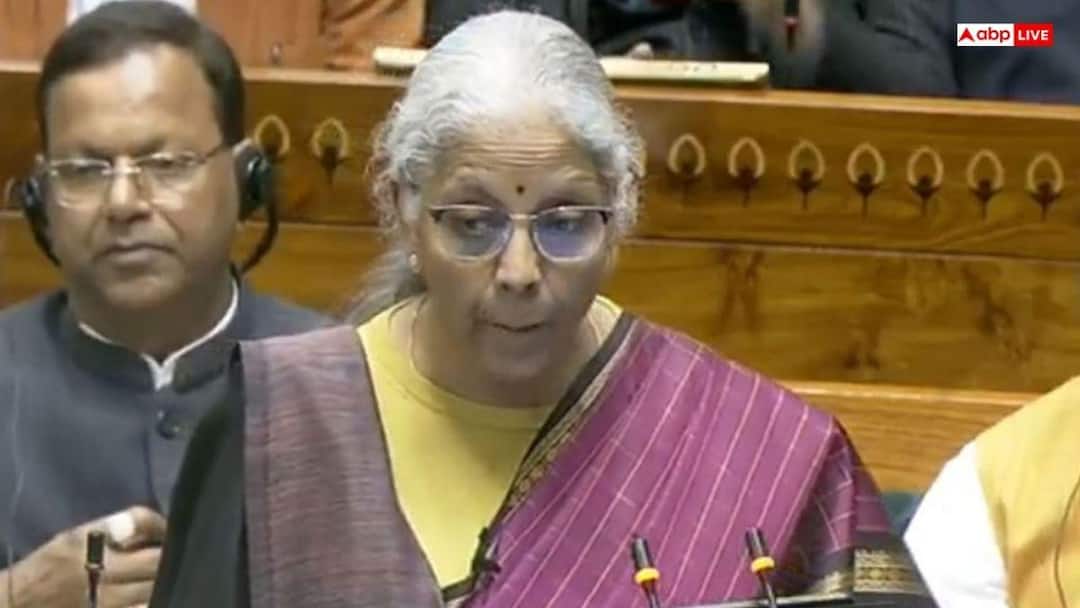
Budget 2026: Finance Minister Nirmala Sitharaman presented the Union Budget 2026-27 in Parliament on Sunday. In this, an expenditure plan of ₹ 53.5 lakh crore was given to meet the needs of many sectors of the economy. In the meantime, let us know what the further parliamentary process is after the presentation of the budget.
presenting the budget
This process begins when the Finance Minister presents the Budget in the Lok Sabha and tables the Annual Financial Statement in the House under Article 112 of the Constitution. There is no discussion or voting on this day. This speech is meant to inform Parliament and the public about the government’s financial plans, tax proposals and policy priorities.
general discussion in parliament
A few days after presenting the budget, Parliament holds a general discussion on the budget. This debate takes place in both Lok Sabha and Rajya Sabha. Members of Parliament discuss the economic vision, government priorities and regional allocations. The important thing is that there is no voting in this phase. The purpose of this discussion is to create an atmosphere and understand the concerns.
Detailed investigation by standing committees
After general discussion, Parliament is adjourned for about three to four weeks. During this time the real investigation takes place behind the scenes. 24 Departmental Standing Committees analyze the grant demands of different ministries in detail. They question officials, examine spending efficiency and suggest reforms.
Voting on grant demands
After the committee submits its report, the Lok Sabha resumes discussion on ministry-wise demands for grants. This stage is very important because it involves actual voting on spending. Only the Lok Sabha has the right to approve or reject these demands. Due to committee time, sometimes all the remaining demands are voted on together without discussion. This entire process is known as guillotine.
legal right to spend
After the demands for grants are approved, the government presents the Appropriation Bill. This bill is necessary because it gives the government the right to withdraw money from the Consolidated Fund of India. Without passing this bill, the government cannot legally spend the funds mentioned in the budget.
completing the budget process
The last step is to pass the finance bill. It contains all the tax proposals announced in the budget. Such as changes in the provisions related to income tax, custom duty and GST. Once the bill is passed in Parliament and gets the assent of the President of India, the budget process is officially completed and the proposals become law.
Also read: Cigarettes became expensive with the budget, know how much will a packet of Rs 10 cigarettes cost?