
 By Admin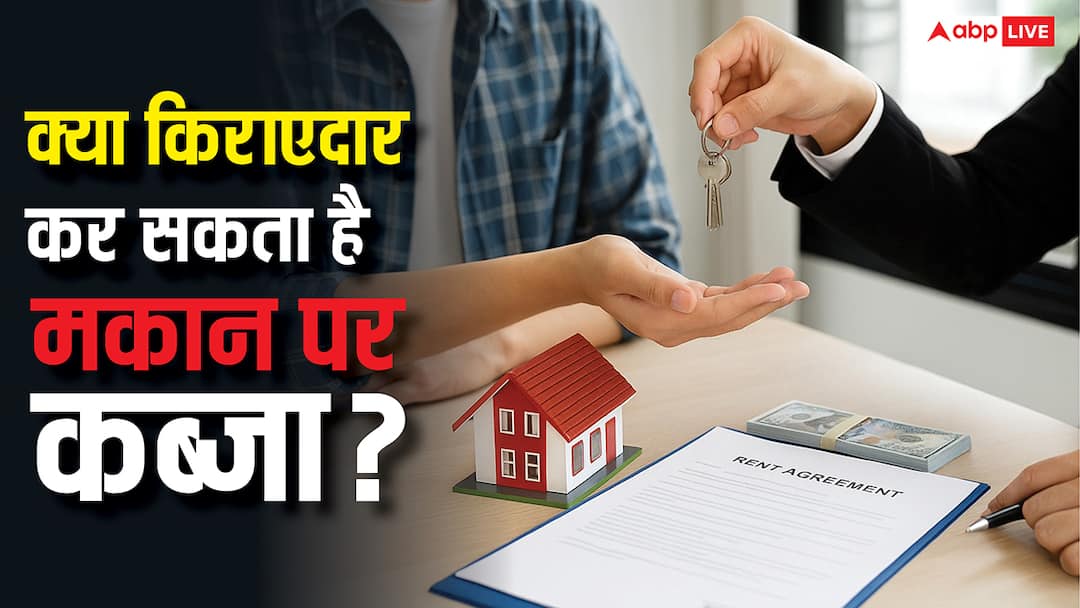

Generally the tenant has only the right to reside. Becoming a property owner is a different thing. Ownership rights are obtained only when the house is purchased legally and the registry is complete. Nevertheless, the rule of adverse possession may apply in certain circumstances.

This law comes into play in cases where a person has been in open and uninterrupted possession for a long period of time. This does not apply to every tenant. But only applies in those situations. Where possession continues due to the owner’s neglect and inability to come home.

A continuous period of 12 years is required to file a claim under adverse possession. During this period, the tenant will have to live alone in that house and without any shared control. Like he’s the real owner. The landlord should not interfere in any way.

While living on rent, this claim can be made only if the rent agreement has expired or the landlord has not fulfilled his terms. That means the occupation should be without the permission of the owner. The tenant has to prove that he has been using the house as his property and the owner has not come to the house for a long time.

In some situations the tenant cannot claim ownership under any circumstances. For example, if the owner is working in the army. If the person is a minor or mentally unstable, then adverse possession does not apply. The law specifically protects the interests of the owner in these situations and does not recognize possession as a valid claim.

In 2012, the Supreme Court had given an important direction to create a balance between the tenant and the landlord. If the tenant is ready to pay rent at market rate and accept a 10 percent increase every three years. So he can live peacefully for at least five years.
Published at : 19 Nov 2025 02:38 PM (IST)