
 By Admin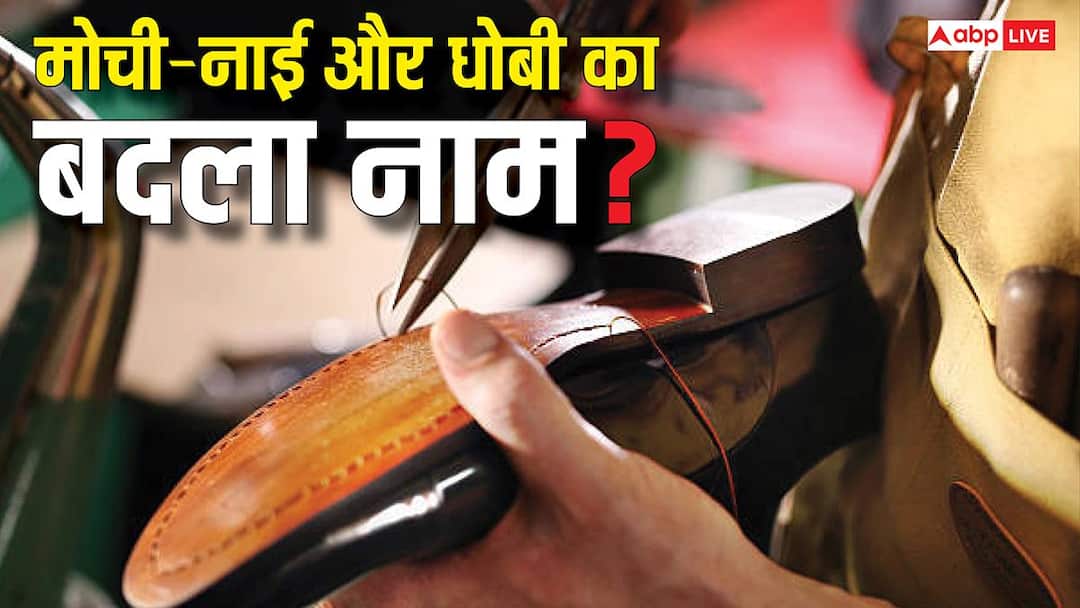
Caste Insult Law: The Parliamentary Standing Committee on Industry has made a major recommendation regarding the PM Vishwakarma Scheme. The committee says that many traditional professions in India are still viewed from the caste perspective. Due to this thinking, the committee believes that there is a need to change the way these professions are described.
Linking professions to skills rather than caste
In the report, the parliamentary committee has emphasized that the names of many traditional professions like cobbler, barber and potter are generally associated with the identity of a particular caste in different parts of the country. Because of this association, some people hesitate to identify themselves with these professions or avoid registering under PM Vishwakarma Yojana.
To solve this problem, the committee has suggested that the names of these businesses should be changed in a mostly professional and fair manner. For example, instead of using the word cobbler, this profession can also be called shoe artisan. Similarly, a potter can be called a clay and ceramic product manufacturer and a barber can be called a personal beauty service provider.
What does the law say about caste based words?
Currently, there is no specific law which completely prohibits the use of words like cobbler, barber or washerman in every context. However, if such words are used to insult or degrade someone on the basis of their caste identity, then this act can come under the Scheduled Castes and Scheduled Tribes Act 1989.
Under Section 3(1)(r) and 3(1)(s) of this Act, it is considered a criminal offense to intentionally insult or degrade a person belonging to a Scheduled Caste or a Scheduled Tribe by calling him by his caste name in any public place. The punishment for such a crime can be jail term ranging from 6 months to 5 years and fine. In many cases it is also considered a serious and non-bailable crime.
Over the past few years, the courts have also made it clear how the law should be interpreted. The Supreme Court of India said that merely mentioning the name of a caste is not a criminal offense in itself. For this law to be applicable, it would need to be proved that the word was used with the specific intention of insulting or disrespecting a person on the basis of his caste. The court also emphasized that the alleged insult must have taken place in public or in the presence of others. If any conversation takes place in private without any intention to humiliate anyone then it cannot come under the purview of this Act.
The Allahabad High Court has also made it clear that addressing a person on the basis of his profession is not a criminal offense in itself. It is punishable only if the word is used intentionally as a caste-based insult.
The committee believes that implementing these recommendations can go a long way in changing the social image of traditional artisans. By presenting these professions as skilled trades instead of caste related professions, self-confidence and social respect among the artisans will increase.
Also read: Why is Kharg Island so special for Iran, know how much oil is stored here?