
 By Admin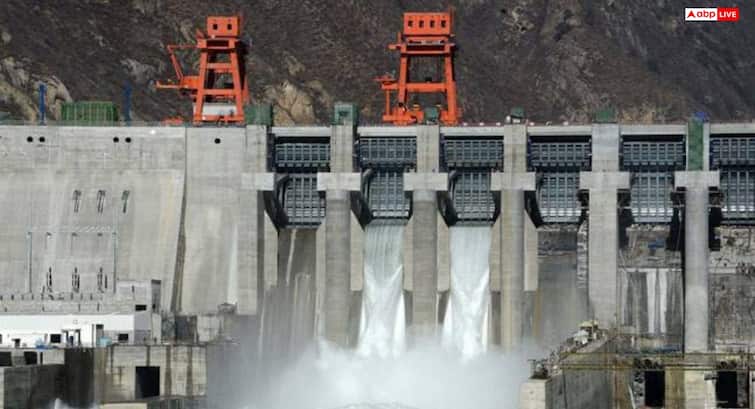
China’s mega-dam project on Brahmaputra: China on Saturday started construction of a huge dam project on the Brahmaputra River (called Yarlung Tsangpo in Tibet). This region is very close to the border of Arunachal Pradesh in India. Chinese Prime Minister Lee Kyang participated in the foundation stone program of this project. The project is being added to China’s carbon neutral policy and the development goals of the Tibet region.
Claim of power generation and development in Tibet
According to China’s official news agency Xinhua, electricity produced from the dam will be mainly sent to areas outside Tibet, although local needs will also be met by it. The government claims that this project will also accelerate the economic development of Tibet region.
Investment of five hydropower stations and 1.2 trillion yuan
The project will include five large hydropower stations, and its total estimated expenditure is described as 1.2 trillion yuan (about 167 billion dollars). When this project is completed, it will generate more electricity than the three gorges dams on the Yangtse River.
India and Bangladesh feared environmental and water crisis
The Brahmaputra River passes through India and Bangladesh, so both countries have expressed concern about this project. Experts believe that this can have a serious impact on Brahmaputra’s stream, water quality and ecology.
India had already raised objection
The Government of India clearly stated to China in January 2024 that ‘any activity in the upper part should not harm the interests of the states settled in the lower parts of the Brahmaputra’. The Ministry of External Affairs had expressed concern that this activity of China could affect India’s Northeast and Bangladesh.
China’s answer: ‘There will be no negative effect’
China responded to India’s objection and said that the construction of the dam would not have any negative impact on the low -lying areas. However, environmentalists and experts have doubted the claim and warned that such large construction in a sensitive field like Tibet can lead to changes related to permanent and irreparable ecology.