
 By Admin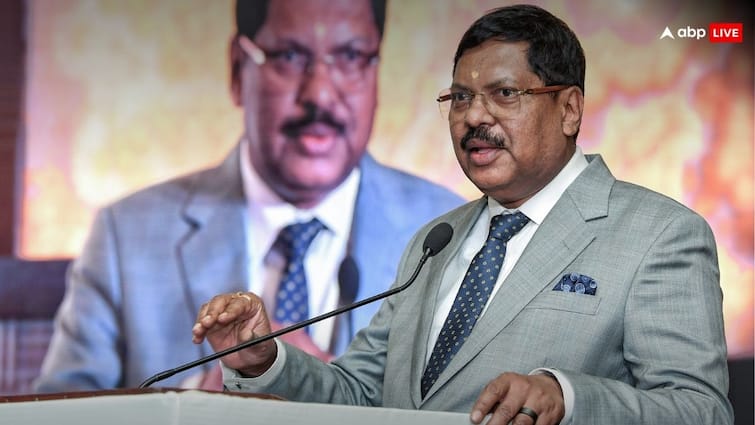
Chief Justice Bhushan Ramakrishna Gavai expressed concern that the courts have forgotten the rules of law for some time. He said that ‘Bell is the rule and jail is exception’, the courts are ignoring these legal principles. He gave former Delhi Deputy Chief Minister Manish Sisodia and Bharat Rashtra Samithi (BRS) leader K.K. Kavita’s case was also mentioned, who got a bail last year after being in jail for a long time and the court granted him bail citing this principle.
CJI Gavai spoke on the works of Supreme Court Legendary Judge VR Krishna Iyer at a program in Kochi. During this, he expressed concern over the ignoring the rules of law.
According to the report of the Bar and Bench, CJI Gavai said that he said that he did Prabir supplementary, Manish Sisodia and K.K. In the case of poetry, he tried to repeat this theory. He said, ‘Justice Krishna Iyer also believed that the undertaking should not be kept in jail for a long time without trial. Justice Iyer is known for creating a new path in the Indian judiciary and at one time he has a bail rule and the gel exception, emphasized. In a few years this theory has been forgotten to some extent.
Justice Gawai said that he is happy that last year Prabir supplementary, Manish Sisodia and K.K. In the case of poetry, it got an opportunity to repeat it. Of. Kavita and Manish Sisodia were arrested in the money laundering case related to Delhi’s Excise Policy Scam case. Of. Kavita was released on bail after five months. At the same time, Manish Sisodia got a bail after being in jail for 17 months. Both of them were jailed in Delhi’s liquor policy scam case.
In view of the delay in starting the trial in the case, the Supreme Court granted him bail in both ED and CBI case. Prabir Purnastha was arrested by the Delhi Police under the Unlwful Activities (Prevention) Act (UAPA). Justice Gawai was also included in the bench hearing in the three cases.
CJI BR Gawai also recalled the tough stance adopted by Justice VR Krishna Iyer against the death penalty. The Chief Justice gave a memory lecture here on the remarkable contribution of Justice Iyer and recalled his role at various levels, from a lawyer raising public interest issues to a minister and a judge.
Justice Gawai said in his address that Justice Iyer stood for the interests of the poor and the underprivileged and he was a supporter of lifelong human rights, warriors of social justice and in favor of civil freedom. He said that Justice Iyer’s approach to the relationship between the right to life and socio-economic rights appeared through his idea on ending the death penalty for the first time. Justice Gawai also mentioned the influence of Justice Iyer on his legal career as a lawyer and a judge.