
 By Admin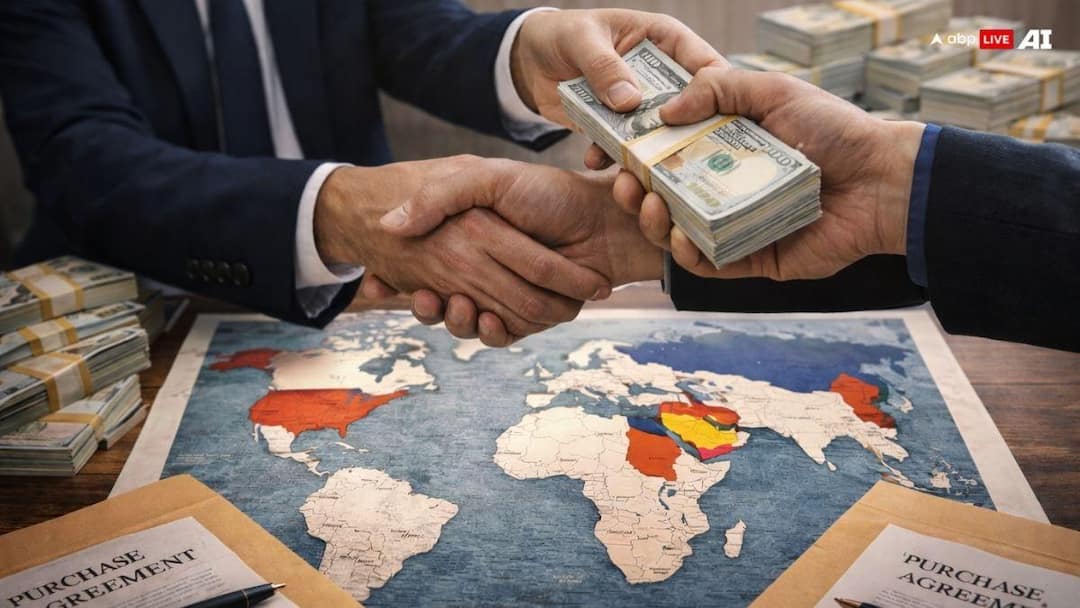
Country Purchase: US President Donald Trump’s renewed interest in buying Greenland has once again sparked a big debate. Let us tell you that Greenland is not an independent country but an autonomous region under the Kingdom of Denmark. In the meantime, let us know whether any country can buy another country or not.
Who is the owner of the country?
Under modern international law, no country is a piece of property that can be sold or transferred through financial transactions. The UN Charter clearly defines every nation as a sovereign entity. This means that its land, people and governance are free. Governments are not the owners of their country in the commercial sense. Because of this they do not have any legal right to sell them. Any attempt to do so would violate international norms and invite global opposition.
Consent of the population is necessary
One of the most fundamental principles of international law is the right to self-determination. This means that people living in any area have the right to have the final say in deciding their political future. Even if two governments agree on territorial transfer, it is considered legally invalid unless the population consents.
Direct purchase is not possible
Although direct procurement is no longer possible, yet influence can be exerted through economic means. In case of serious debt, some countries lease strategic assets like ports or islands to foreign powers for decades. This method is called debt trap diplomacy.
How did the purchase happen in history?
There are some historical examples where land was transferred through financial deals. Let us tell you that this was a regional transfer and not the purchase of the entire country. The Alaska Purchase in 1867 and the Louisiana Purchase in 1803 led to a colonial era. At that time the imperialist powers considered large areas as state property. In today’s time, money alone cannot destroy sovereignty, public will or international law.
Also read: Apollo vs Artemis II, what is the difference between these two missions, what changed in 54 years?