
 By Admin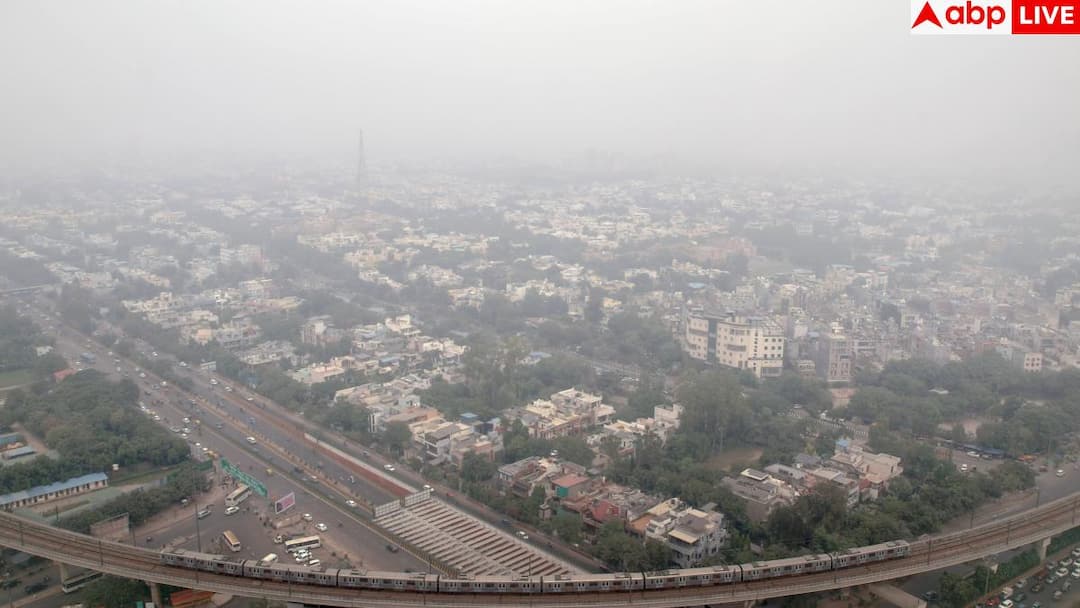
Delhi AQI levels: Around Diwali the air of Delhi starts becoming poisonous. In the early morning, a blanket of fog and smoke is visible in the sky, making breathing difficult. At this time, the air quality index of the capital often crosses 200, which falls in the “very poor” to “severe” category. In such a situation, the question comes in our mind that who is making the air of Delhi poisonous? How much is stubble, smoke from firecrackers and what other things are contributing to it? Let us tell you about it in detail.
stubble
In many states of India, strict rules have been made regarding burning of stubble. This is because stubble burning is one of the biggest reasons for Delhi’s poisonous air. Every year, farmers in Punjab, Haryana and Uttar Pradesh burn the stubble left in the fields after harvesting. According to satellite images, between October and November, cases of stubble burning are registered at thousands of places in Punjab-Haryana. This smoke reaches Delhi and NCR with the direction of the wind. The microscopic particles present in this smoke increase the level of pollution in the air manifold, making the air extremely dangerous. In the months of October and November, the contribution of stubble burning to air pollution in Delhi is between 25 to 30 percent.
vehicle pollution
Delhi is a city where you have to face terrible traffic jams in the morning and evening. This is because on an average four and a half lakh vehicles are registered in Delhi every year. The carbon monoxide, nitrogen oxide and PM particles emitted from these combine in the air and form smog. According to the report of Delhi Pollution Control Committee, vehicles contribute 20 to 25 percent to Delhi’s pollution throughout the year. This means that even if stubble is not burnt, pollution in Delhi will not stop.
Industrial and construction dust
The continuous construction activities going on in Delhi and NCR also play a big role in polluting the air. Dust, cement and soil blown from construction sites dissolve in the air and form PM10 particles. Apart from this, smoke and sulfur dioxide emitted from industrial areas of NCR like Bawana, Narela, Faridabad and Ghaziabad mix in the air and cause further harm.
fireworks
Firecrackers burst around Diwali, even if for a short period of time, suddenly increase PM2.5, sulfur and nitrate gases in the air. Many people blame Diwali firecrackers, but it alone does not have the entire contribution.
Also read: Neha Dhupia Anti-inflammatory Challenge: I don’t change clothes, I get fit according to them… This actress’s 21 days fitness routine will make her fat to fit.
Disclaimer: This information is based on research studies and expert opinion. Do not consider this as a substitute for medical advice. Before adopting any new activity or exercise, please consult your doctor or relevant specialist.
Check out below Health Tools-
Calculate Your Body Mass Index (BMI)
Calculate The Age Through Age Calculator