
 By Admin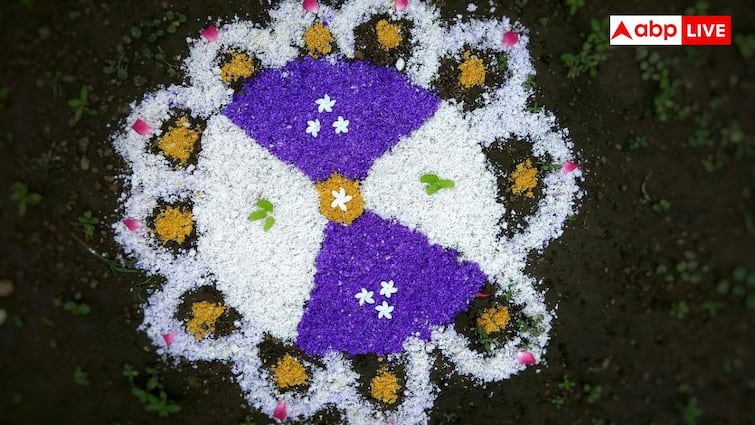
Diwali 2025: Diwali festival is about to come. On this day, Rangoli is also made in everyone’s house. But do you know how old is the history of Rangoli? The tradition of Rangoli is a symbol of beauty and festivity throughout India. We cannot even imagine how old its history could be. Let us tell you that its roots are thousands of years old and extend back to the Vedic period. From the courtyards of ancient homes to the entrances of temples, Rangoli has always been a symbol of purity, prosperity and divine presence. Let us know how this colorful art evolved from Vedic Yagyas till today.
Vedic relation of Rangoli
The first mention of Rangoli is found in Hindu religious texts and Vedic rituals. It was not made just for beauty but it also had a sacred purpose. The word Rangawali or Rangbhoomi appears in ancient texts. It tells about the decoration of the land before the Yagya so that the land can be purified. After this divine energies are invited.
In the Vedic period, people believed that making figures with rice flour, turmeric and kumkum purified the surrounding environment and also generated positive energy. These figures were nothing but were made with deep concentration and faith.
Symbol of positivity and prosperity
In Hindu tradition, Rangoli is considered a symbol of prosperity and good luck. It is believed to attract Goddess Lakshmi, the goddess of wealth and prosperity, into the home. Actually, Rangoli is made very beautifully at the entrance so that happiness, health and success enter the house and negative energies stay away.
Rangoli and purification of place
In ancient rituals, before the beginning of any Yagya, the place was purified through different symbolic actions. One of these was to make rangoli around the sacrificial altar. Round or square designs made of rice flour were symbols of perfection. These designs were believed to sanctify the place, also creating a bridge between the mortal and divine realms.
There is detailed mention of it in texts like Narad Shilpa Shastra. Rangavali has been mentioned in this book. It is a decoration of the land made during marriages and auspicious ceremonies. One of the oldest stories about Rangoli is the story of sage Agastya and his wife Lopamudra. It is said that Lopamudra started making rangoli to decorate and sanctify the ritual sites for Vedic yagyas. Along with this, there is another folk story that when Lord Ram returned to Ayodhya after 14 years of exile, people celebrated by decorating their houses and streets with rangoli and lamps.
Also read: Why vegetables were not allowed in the Mughal palace on Diwali, know why this rule was implemented?