
 By Admin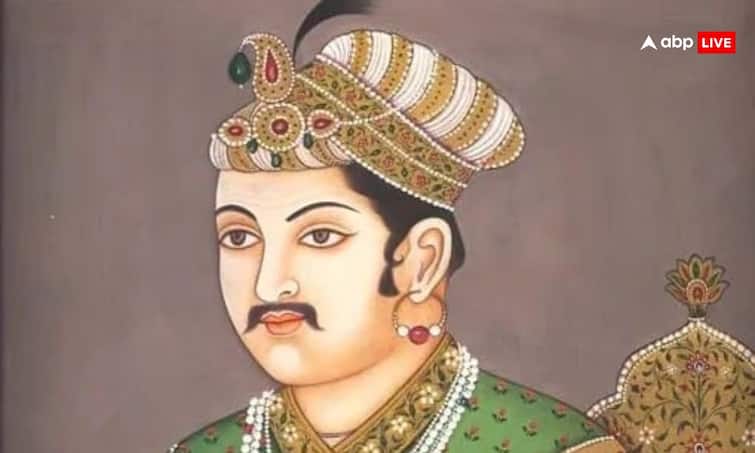
When it comes to Diwali, rows of lamps, shining markets and the smell of sweets come before our eyes. Today’s India sparkles with modern lights, but even centuries ago, when there was no electricity, the glow of Diwali was equally special. History tells that the fragrance of this festival reached the Mughal courts also. The walls of the palaces of the emperors, who were often known for their Islamic discipline, were illuminated with lamps on the night of Diwali.
At that time Diwali was not just a religious festival but had become a symbol of the fusion of cultures. From Emperor Akbar to Muhammad Shah included this festival in their royal tradition. In the Mughal Sultanate, it was given a new name ‘Jashn-e-Chiraga’, i.e. Festival of Lights.
Special courts were held on the occasion of Diwali.
Akbar’s era was not only the golden age of Mughal rule but also a period of cultural co-existence. He never showed hesitation in adopting Hindu customs. During Diwali, every corner of Agra Fort and the streets of Fatehpur Sikri was illuminated with rows of lamps. Historian Abul Fazal has written in ‘Ain-e-Akbari’ that Akbar used to hold special courts on the occasion of Diwali. Royal banquets were held in the courtyard of the palace decorated with lamps, in which Hindu and Muslim courtiers used to sit together. His courtiers Birbal and Begum Jodhabai were considered the soul of this event.
The form in which Diwali is celebrated today with firecrackers and fireworks started during the Mughal period. In the 18th-19th century, the Nawabs of Bengal and Awadh patronized festivals like Durga Puja and Diwali and organized spectacular fireworks. According to Dr. Katherine Butler Scofield, fireworks had become common on Diwali by the 18th century. Some scholars opposed this festival and called it un-Islamic, but Akbar accepted it as a festival of love and light. For them, this festival was more than a religious ritual, it was a symbol of unity and harmony.
Between 1720-1748, Diwali began to be celebrated in a royal style during the reign of Muhammad Shah Rangeela. Preparations started weeks in advance in the palaces of Delhi and Agra. Innumerable lamps were lit around the fort and the fragrance of sweets spread throughout the court.
Shahjahan made Diwali more grand
Emperor Shahjahan made Delhi the capital and built the Red Fort and made Diwali more grand. He started the tradition of lighting the sky lamp. In the Red Fort, huge lamps were lit on 40 yard high pillars, whose light spread across the entire Chandni Chowk. The palace would be decorated with lamps, chandeliers and lampshades, there would be music and poetry gatherings in the court and the king would watch the lights from the balcony.
During the reign of Aurangzeb, the celebration of Diwali remained formal. He considered it the tradition of Hindu kings. Nevertheless, the royal families of Jodhpur and Jaipur sent gifts every year on Diwali and people continued to light lamps in their homes.
Read this also-
Massive fire broke out in Bihar bound Garib Rath Express, bogie burnt to ashes, passengers rescued; Videos