
 By Admin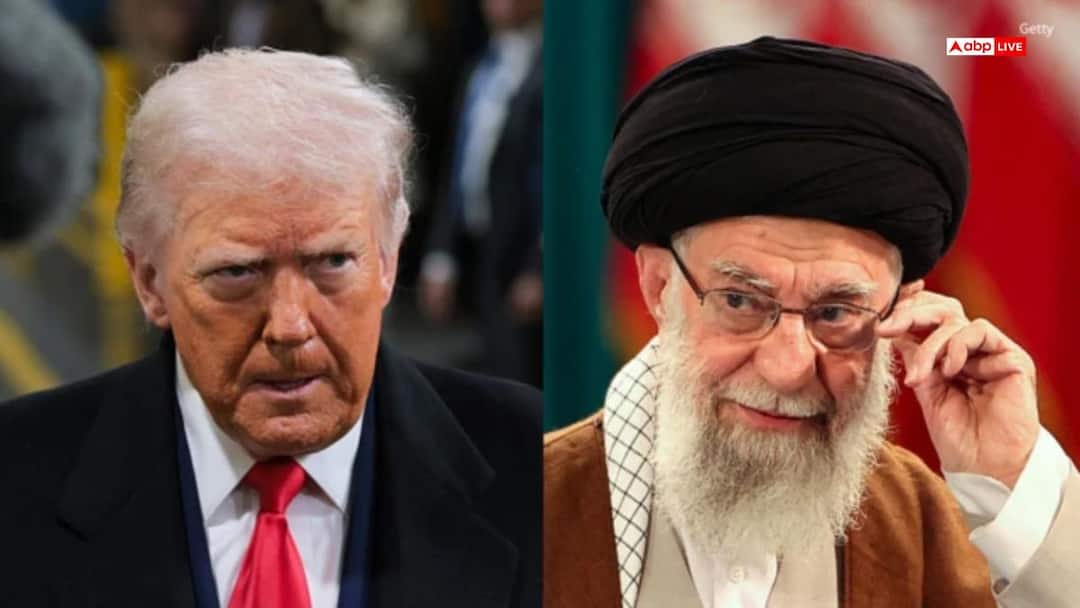
After the fall of former Iraqi President Saddam Hussein in 2003, Iran completely changed its military strategy and started long preparations. Over the past two decades, it has developed a multi-layered security and counter-attack strategy aimed at sustaining long-term combat even in the event of a major attack. The most important part of this strategy is the ‘Mosaic Doctrine’, which has surprised even America and Israel.
Proxy network through ‘Axis of Resistance’
Iran created a proxy network named ‘Axis of Resistance’ to increase its influence in the region and exert pressure while avoiding direct war. This includes Lebanon’s Hezbollah, Yemen’s Houthi Movement, Gaza’s Hamas and many Shia militias of Iraq. This strategy is called ‘Forward Defence’. This means that if Iran is attacked, these allied groups can entangle Israel and America on many fronts.
Made missile and drone program stronger
Iran worked rapidly on ballistic missile and drone technology in the last years. It developed ballistic missiles like Fateh Missile Family and Shahab Missile Family. Along with this, drones like Shahed Drone Family were also made. These weapons are relatively cheap, can strike over long distances and can be used in large numbers to put pressure on American air defense systems.
What is the ‘Mosaic Doctrine’
Iran’s ‘Mosaic Doctrine’ or ‘Decentralized Mosaic Defense (DMD)’ is a military strategy developed primarily by the IRGC since the 2000s. Its purpose is that even if the enemy targets the top leadership or central command, the army and security structure do not break down and the war can continue. The strategy is named ‘mosaic’ because it works like the tiles on a house – small pieces that, even though they are separate, come together to form a strong structure. If one part is destroyed, the other parts continue to function.
Independent military structure spread in 31 provinces
Under this strategy, the IRGC is divided into independent units in 31 provinces of Iran. Every unit has been given a considerable degree of autonomy. These units are allowed to launch missiles, drones or other attacks on their own if needed, without having to wait for orders from Tehran each time.
Decentralization of command and weapons
Under the Mosaic Doctrine, commands, weapons, communication systems and military forces are spread across the country. With this, a multi-level succession chain of leadership is created. If a commander is killed, the next officer immediately takes command. In this system there is no single ‘central brain’ whose destruction would bring the entire system to a standstill.
Nuclear program and missile defense
After 2003, Iran also worked rapidly on its nuclear program. The AMAD project was officially suspended in 2003, but Iran continued efforts to advance nuclear and missile capabilities in the following years.
Naval strategy and the Strait of Hormuz
Iran also paid attention to the strategy of maritime warfare. Especially in the Strait of Hormuz, plans were made to lay mines, use high-speed boats and anti-ship missiles. This strategy is based on the experiences gained from the Iran-Iraq war of the 1980s.
Initial reaction weak in current war
Iran’s response to the current conflict appeared relatively weak in the initial phase. Experts believe that during 2024-2025, Israel had weakened many of its major allies.
These include Hezbollah in Lebanon, Hamas in Gaza and the power of former President Bashar-al-Assad in Syria. According to analysts, Iran is currently in ‘survival mode’. He is trying to prolong the war through missile and drone attacks. Besides, a strategy to create pressure at the global level by targeting energy related targets in the Gulf region can also be adopted.
US-Israel’s goal and Iran’s reaction
Many analysts believe that the ultimate goal of America and Israel may be regime change in Iran. However, Iran claims that its decentralized military structure protects it from sudden collapse like the regime of Saddam Hussein in Iraq.
Strategy activated after Khamenei’s death
Iran says that the Mosaic Doctrine has been activated after the death of Ali Khamenei in the current war. Iran’s Foreign Minister Abbas Araghchi said that the impact of the continuous bombings is limited because the country’s military structure is completely decentralised. Iran claims that because of this strategy it is in a position to decide when and how to end the war.