
 By Admin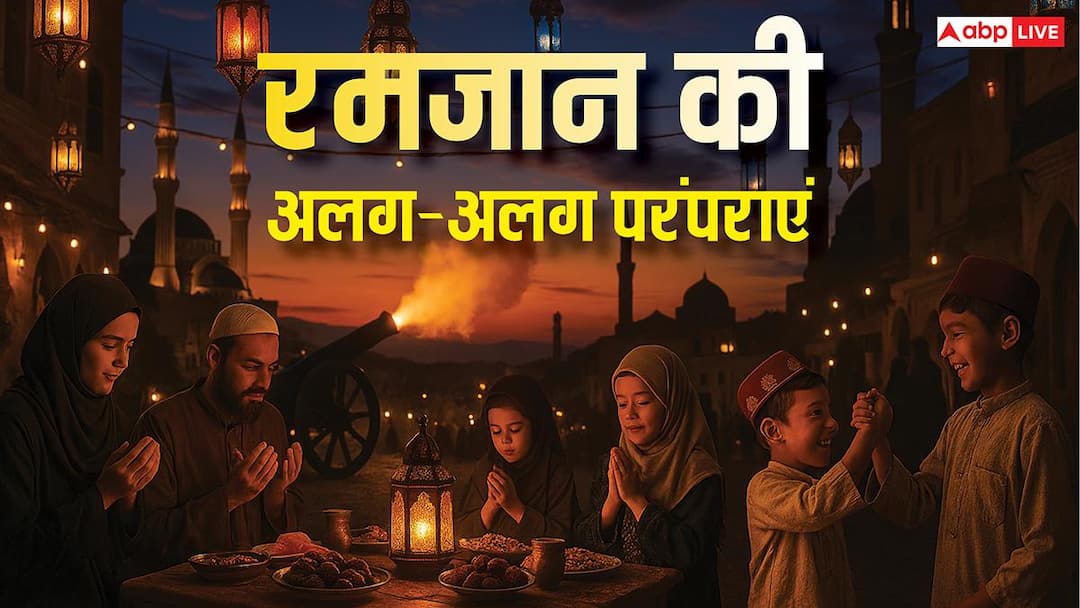
Different traditions of Ramadan: The month of Ramadan is considered very holy in the religion of Islam. It is celebrated in Muslim countries around the world. Although the purpose of this festival is the same – worshiping God, fasting and self-restraint, the way of celebrating it is slightly different in every country.
More than two billion Muslims live around the world and they speak different languages. In such a situation, Ramadan is adapted to the local culture and traditions in every part. Let us know about the special Ramadan traditions of some Muslim countries.

UAE tradition of ‘Haq Al Laila’
In the United Arab Emirates, a special event called ‘Haq Al Laila’ is held before Ramadan. It is celebrated in the middle of the month of Shaban. On this day, children wear traditional clothes and go from door to door in the locality, singing songs and collecting sweets.
Apart from this, a popular song is sung, ‘Atuna Allah Yatikum, Bait Makkah Yidikum’ which means that Allah will reward the giver and give him the opportunity to travel to Mecca. This tradition promotes happiness and a sense of social connectedness in children.

The tradition of chandeliers and torches in Egypt
The month of Ramadan is very special in Egypt. Ramadan is recognized by decorating markets, roads and houses with colorful lights and using Fanus i.e. traditional lanterns.
It is believed that during the Fatimid period, lanterns were lit on the streets of Cairo to welcome a ruler. Since then this tradition became associated with Ramadan.
‘Meshaarti’ is also a special tradition in Egypt. This person works to wake people up at night for Suhoor. He roams the streets calling people by name, so that they can eat food before starting the fast.

Typical dishes and traditional clothes in Morocco
Ramadan in Morocco is linked to local flavors and traditions. Special dishes like Harira Soup, Tanjia and Rafisa are prepared in Iftar.
Here people wear traditional clothes and men wear Jubba or Gandoura. While women wear kaftan. During Ramadan in Morocco, along with the religious atmosphere, the cultural color is also clearly visible.

Ramadan in Indonesia a chance for purification and remembrance of ancestors
In Indonesia, a tradition called Padusan is performed before Ramadan. People take bath in natural lake or holy water. The Muslim people there believe that this purifies the body and mind and marks a good beginning of the holy month.
Another tradition is Nyadran. Family members visit the graves of their deceased relatives and pray. They carry food and some fruits, which are then distributed among themselves. It is also a symbol of brotherhood and respect.

Iftar cannon in Lebanon
The tradition of Midfa Al Iftar i.e. Iftar Cannon is quite popular in Lebanon. After the end of Roza, people are signaled for Iftar by firing a cannon. This tradition can be seen in many countries of the Middle East, but it has got special recognition in Lebanon.
The purpose of Ramadan is the same all over the world, but every country has adopted it according to its culture. At some places, lanterns scatter light, and at other places, iftar is announced with the sound of cannon. This diversity gives Ramzan a special identity at the global level.
Ramadan 2026: Asra of mercy continues, fasting people are busy in pleasing Allah through fasting and namaz in Ramadan.
Disclaimer: The information provided here is based only on assumptions and information. It is important to mention here that ABPLive.com Does not constitute any endorsement or verification of information. Before implementing any information or belief, consult the concerned expert.