
 By Admin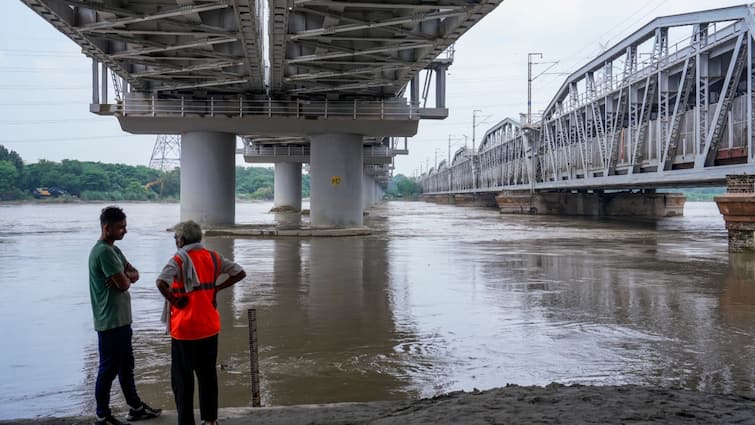
Tough steps have been taken this time to protect the Yamuna river from pollution in Delhi. The Delhi Pollution Control Committee (DPCC) has issued strict instructions in view of festivals like Ganeshotsav and Durga Puja that no person will immerse the idol in the Yamuna river. According to the order, a fine of Rs 50,000 will be imposed on doing so. This amount will be recovered as environmental damage.
Officials say that idols made of plaster of Paris (POP), color and chemicals do not dissolve in water easily, due to which the river water gets polluted and the living beings in it start dying. Yamuna is already among the most polluted rivers of the country, so this step is necessary to prevent this situation from deteriorating further.
Artificial pond built in different places
DPCC has appealed to the people to use natural soil to make sculptures and immersion only at special places decided by artificial ponds or administration. Delhi Municipal Corporation and other agencies have built artificial ponds at different places for this purpose. Experts say that thousands of idols are immersed in Yamuna during Ganeshotsav and Durga Puja every year.
The color, chemicals and POPs emanating from them spoil the quality of the river water. This not only affects aquatic life, but this polluted water is not even drinkable.
It is necessary to maintain religious faith- administration
The National Green Tribunal (NGT) and the Ministry of Environment have also repeatedly instructed to take strict steps to save Yamuna. In this episode, the Delhi Pollution Control Committee has implemented this strict rule. The administration has made it clear that it is necessary to maintain religious faith, but with this the safety of nature and environment is equally important.
There has been an appeal to avoid buying idols made from POP and chemical and use only artificial ponds for immersion.
Yamuna River is an important source of water for North India
Yamuna River is an important source of water not only for Delhi but also for crores of people from all over North India. If it is not saved from pollution, then it will be very difficult to get clean water to the coming generations. Therefore, this time it will be the greatest responsibility to maintain the balance of both faith and environment in festivals.