
 By Admin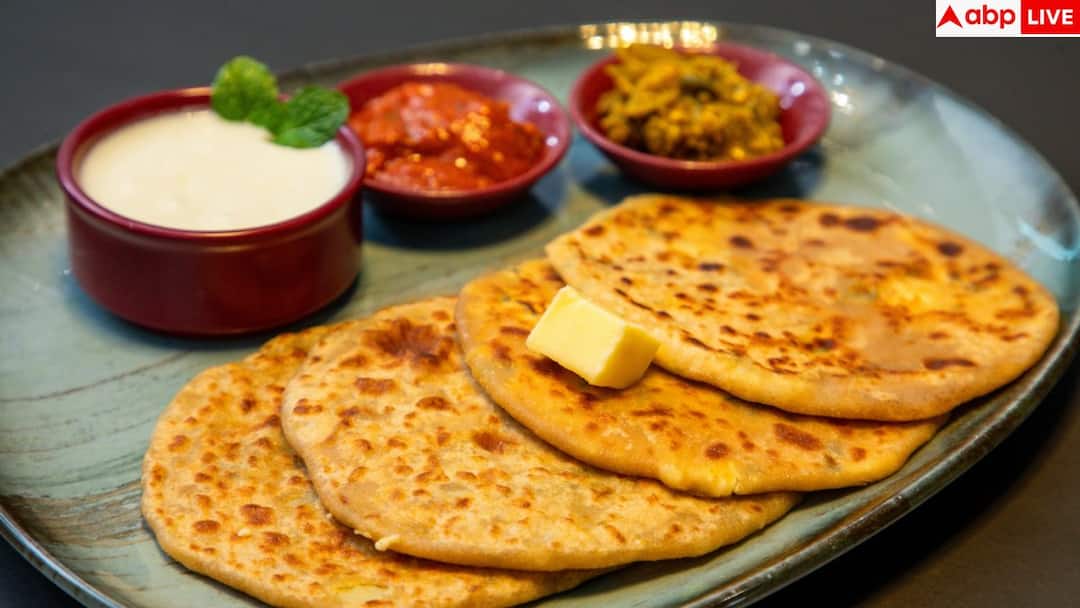
Processed Foods Raise Blood Pressure: Often high blood pressure patients say to the doctor, “Doctor, I do not add salt to my food.” But despite this his BP does not remain under control. Cardiologist Dr Ashish Kumar told TOI that the real reason for this is not the salt that people add on top, but the salt that is already hidden in the everyday food. This hidden salt is now becoming a major cause of high blood pressure in India.
This worry is no longer just a guess. According to reports, one out of every three people in India is suffering from high BP. In many cities this figure is more than 35 percent.
The most frightening thing is that a large number of patients are below 50 years of age and either they are not aware of their disease or are not being treated properly even though they are taking medicines. Let us tell you the reasons due to which it increases.
Why does salt become a danger?
The sodium present in salt retains water in the body. Due to this, the pressure in the blood vessels increases and the heart has to work harder. If this continues for a long time, the blood vessels get damaged and the risk of heart attack, stroke, heart failure and kidney disease increases manifold. The real problem is that there is a lot of salt that doesn’t even taste salty.
Safe on the surface, dangerous on the inside
Eating bread or loaf daily is common and people consider it safe. But this bread can deliver a lot of sodium to the body. Many people consider brown or multigrain bread to be healthy, even though it often contains as much salt as white bread.
Salt is hidden even in sauces and chutneys
Tomato ketchup, soy sauce, chili sauce, sandwich spreads and packet chutneys contain plenty of salt to enhance taste and shelf life. Eating these in small quantities throughout the day leads to excessive sodium intake. Due to this, chips, bhujia, salty mixes, crackers and even baked or light snacks also contain a lot of salt. They do not taste very salty, so people eat more of them and do not realize the sodium content.
Be careful with cheese slices too
Cheese slices, cheese spreads and flavored butter are also rich in salt. Eating these in small quantities every day increases the total amount of salt significantly. At the same time, outside food and ready-to-eat food use more salt for taste and texture. A typical Indian thali includes roti, vegetables made from market spices, pickles, papad and chutney. Despite not adding salt on top, sodium goes above the safe limit.
This is the reason that even in 2025, the blood pressure of almost half of the high BP patients is not under control despite medicines. According to doctors, less than one teaspoon of salt should be taken daily for heart health. But estimates show that most Indians are consuming twice as much salt, that too without knowing, because of packaged and processed foods.
How to reduce the risk?
For this, you do not need a very strict diet to avoid hidden salt. Reading sodium labels on food packets, reducing sauces and spreads, choosing fresh options instead of packaged snacks, and eating more home-cooked meals can go a long way in controlling blood pressure. By gradually reducing salt, the taste adjusts automatically.
Read this also- Black Box Warning: Will black box warning be imposed on Covid vaccine soon? Understand how big a threat these signs are considered to be
Disclaimer: This information is based on research studies and expert opinion. Do not consider this as a substitute for medical advice. Before adopting any new activity or exercise, please consult your doctor or relevant specialist.
Check out below Health Tools-
Calculate Your Body Mass Index (BMI)
Calculate The Age Through Age Calculator