
 By Admin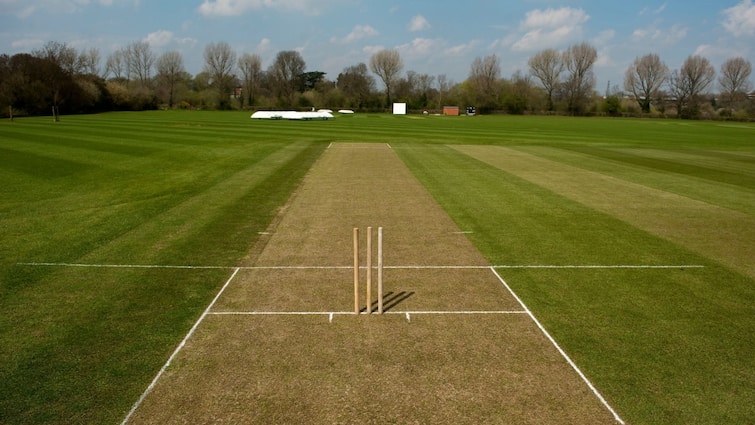
The game of cricket is usually played in the ground in the oval shape, but the real game is on the 22 yards pitch. In any cricket match, the pitch has great importance, which also plays a big role in the toss. From hard sunlight to the rainy season, the pitch has been seen behaving differently. But after all, how is this cricket pitch ready and what kind of soil is used to make it? Here you will get the answer to this question.
How is cricket pitch ready?
First of all, the place is decided in the ground, where the pitch will be made. Clay and many other soils are used to prepare the pitch. The amount of different types of soil can decide that the pitch will suit batting or bowling. To bring light moisture to the pitch space, water is released several times on it and many times the pitch surface is made flat by the process of rolling. A limited amount of grass is left on the pitch. It is not necessary that a pitch should be made in the middle of the field, which is why there is a lot of difference in leg-side and off-side length in the field many times.
Cricket pitch is made from how many types of soil
Soil also plays an important role in making cricket pitch. Usually you must have also heard that most pitch is made from red and black soil. Talking about the pitch made of red clay first, they get good bounce and seam movement in them. The nature of red soil is dry, so the pitch made of red soil starts to dry quickly. The pitch made of red clay is low in the amount of clay. Initially fast bowling on such pitches, then the spinners start getting help. Red clay pitch is commonly seen in many places in Australia, New Zealand, South Africa and India.
Talking about black soil on the other hand, it absorbs more water than red soil. Unusual bounce is seen on black clay pitches and such pitch is considered very slow, on which scoring runs is not very easy. Australia and South Africa are 2 major countries in which cricket is played on pitches made of black clay.