
 By Admin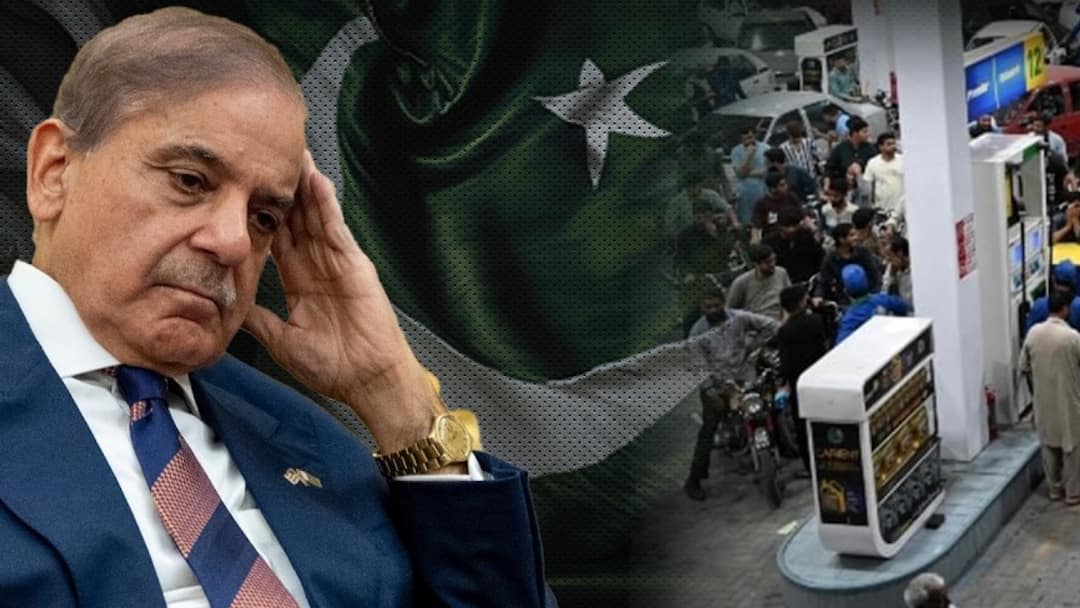
Due to the war in the Middle East, energy crisis has arisen in most of the countries of the world. The impact of the war is clearly visible in India’s neighboring country Pakistan also. There has been a huge increase in the prices of LPG in Pakistan, which is affecting the pockets of common people.
LPG cylinder prices increased
According to the latest data of Sensitive Price Index (SPI) released by Pakistan Bureau of Statistics, the price of 11.67 kg cylinder in Pakistan was currently Rs 3150 to Rs 3950, which has now increased to Rs 3900 to Rs 5135. Especially in most of the cities of Punjab province of Pakistan, an increase in prices has been seen.
Impact on transport sector
The effect of increase in prices is also visible on the transport sector. The fares of vehicles like rickshaws, buses or mini buses which run on LPG have also increased, due to which the lower and middle class people traveling daily are becoming more loose in their pockets. According to experts, the reason for this is global. International prices of LPG have increased due to the war between America, Israel and Iran.
Crude oil stock left for 11 days
Let us tell you that Pakistan’s LPG requirement is about 20 lakh tonnes annually, out of which 12 lakh tonnes of LPG is imported from other countries, while 8 lakh tonnes of LPG is supplied through domestic refinery. Although three ships carrying about 20,000 tonnes of LPG reached Pakistan in March, this supply is much less than the demand. Concern about energy security is also increasing. According to recent reports, the country’s crude oil reserves are sufficient only for 11 days.
How many days of petrol, diesel and LPG stock is left?
Apart from this, diesel is available for 21 days, petrol for 27 days, LPG only for 9 days and jet fuel for 14 days. Pakistan is dependent on the Middle East for about 70 percent of its petroleum needs. Due to the current situation in Western Asia, shipping routes and supply chains have been affected. Due to this the situation has become more serious. The government is now in talks with Iran for permission to supply oil through the Strait of Hormuz, which may provide some relief. Experts have warned that if the disruption in the supply of LNG continues, the country may face a serious gas crisis after April 14.