
 By Admin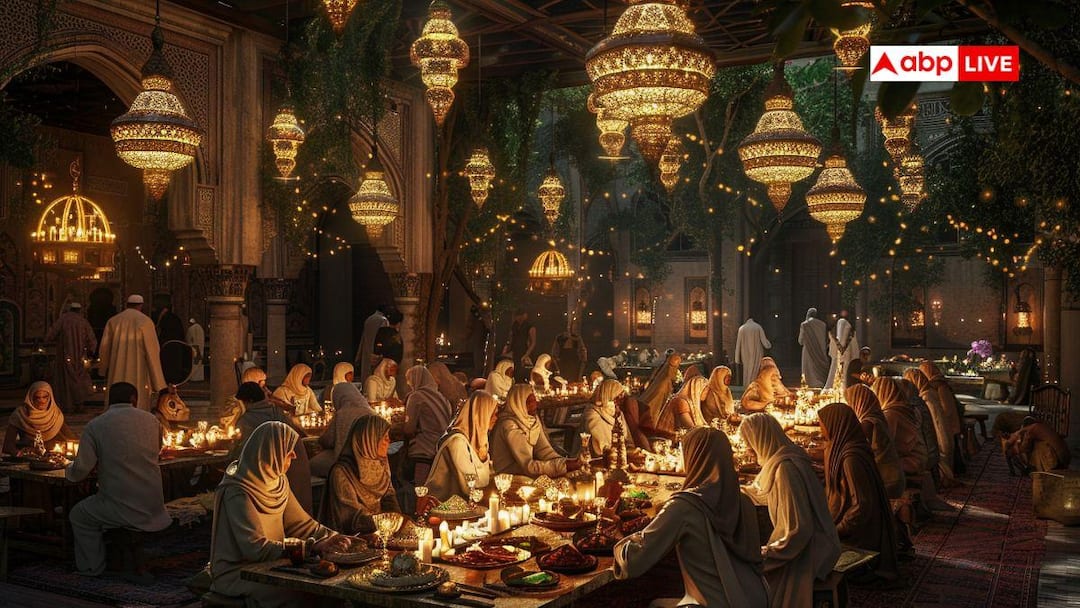
As soon as the month of Ramadan begins, the markets become lively, mosques get crowded and the fragrance of Iftar spreads in every street, but just imagine, what would Ramadan have been like when India was ruled by the Mughals? Did the emperor also fast like the common people? Was there the same peace of worship in the royal palaces or was only grandeur visible there? The pages of history give interesting answers to these questions.
The splendor of Ramadan in the royal era
During the Mughal period, Ramadan was not only a religious month but also an important part of social and cultural life. This month was given special respect in the royal court. Palaces were decorated with lights, Quran was recited in mosques and large scale donations were made for the poor. At that time, as soon as it was time to break the fast, a cannon was fired to give a signal to the city. Due to this, the entire city would know the time of Iftar simultaneously. It is said that at the beginning of Ramadan, an 11-gun salute was given to welcome the holy month.
During the late Mughal era, a procession was taken out from the Red Fort to Jama Masjid on the occasion of the last Friday of Ramadan, which is called the farewell prayer. It was not only religious but also considered a symbol of social unity.
Shahi Iftar and social equality
Mughal emperors used to give grand feasts during Iftar, but their purpose was not just to show off grandeur, but to ensure that no poor remained hungry. In the royal kitchen, different dishes were prepared for Sehri and Iftar – rotis, vegetables, kebabs, sweets and various types of sherbets were made. According to historians, common people, courtiers, soldiers and the needy all participated in these feasts. It is considered an example of social equality, where the rich and the poor used to sit together and break their fast.
Babar’s Iftar
Babar, the founder of the Mughal Sultanate, has mentioned religious discipline in his autobiography ‘Baburnama’. Brought up in Central Asian traditions, Babur fasted during Ramadan and made time for prayers even in the midst of war. His iftar was simple. He also inspired the soldiers to follow discipline and religious duties. His habits included distributing food and money among the poor.
Humayun used to spend time in prayer
Humayun was interested in astrology and Sufi thoughts. During Ramadan, he used to reduce the formal programs of the court, so that more time could be spent in worship. He himself used to recite the Quran and have religious discussions with the Ulemas. Lighting lamps in the shrines of Sufi saints and organizing special feasts were the special features of his era.
How was Akbar’s Ramadan?
Akbar’s attitude was broad and generous even during Ramadan. He used to fast during the middle period of his life and ordered to reduce the noise in the palace so that the atmosphere remains calm. Akbar used to distribute charity on a large scale. Food and clothes were given to thousands of people. Special prayers were offered in the mosques of Fatehpur Sikri. He used to distribute grains and money to help the poor and travelers.
Jahangir used to stay away from alcohol
Jahangir’s name is associated with art and luxury, but he also followed discipline during Ramadan. In his autobiography ‘Tuzuk-e-Jahangiri’ he has written that he used to completely abstain from alcohol during this month. Music and entertainment programs were stopped in the palace. Dates, sherbet, fruits and light food were served in Iftar. He used to take advice from Ulema and maintain a religious atmosphere.
Shahjahan’s pride and charity
The royal culture was at its peak during the era of Shahjahan. A glimpse of this was visible even in Ramzan. After the construction of Jama Masjid, the importance of special worship there increased. Shahjahan himself used to observe fasts and distribute grains, clothes and silver coins among the poor. There was a special celebration of lights and prayers on the night of Shab-e-Qadr. Although the Iftar feasts were grand, he himself preferred simple food.
Aurangzeb’s simplicity
Aurangzeb is counted among the most strict religious rulers. During Ramadan, he used to fast for the whole month and offer long prayers. The work of the court was limited. It is said that he wrote and sold a copy of the Quran himself and donated the money received from it. His iftar was very simple – dates, roti, dal and sometimes light non-vegetarian food. Music and festivals almost stopped.
Also read: These are Iran’s best friends, if America attacks then they can support us