
 By Admin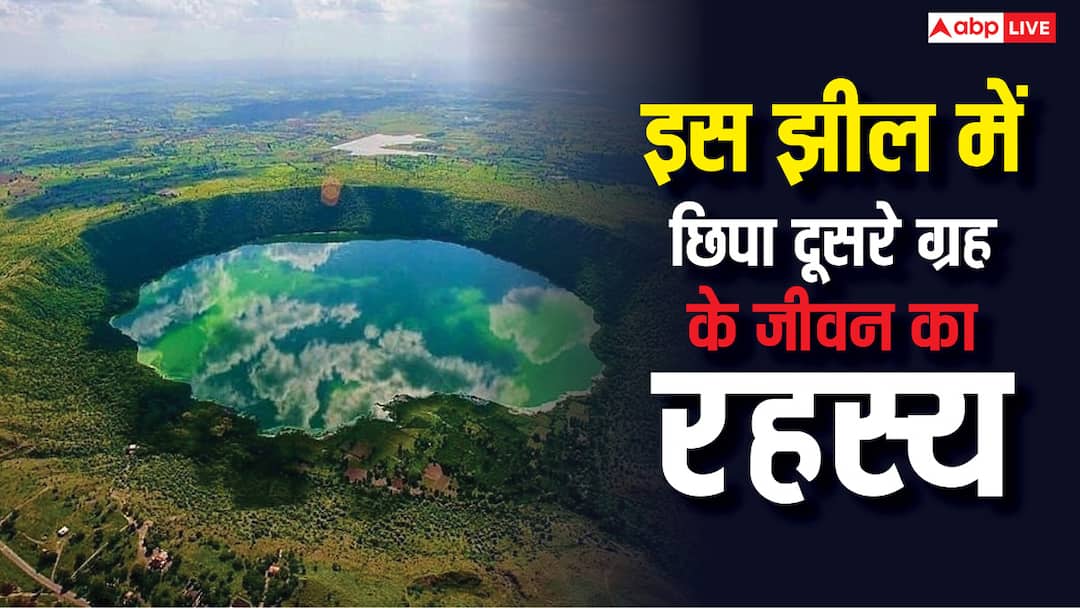

Lonar Lake, situated in that small area of Maharashtra, is full of mysteries. Lonar Lake, also known as the Mooncrater of India, was formed by a meteorite fall about 52,000 years ago. The specialty of this lake is its alkaline and mineral-rich water composition.

According to scientists, microbes and micro-organisms are present in this water, which can survive even in extremely harsh conditions. This is why it is considered as an ‘extreme environment’.

NASA and other international space agencies have also done extensive study on this lake. Their goal is to know if life can exist in such a harsh environment on Earth, then microbial life is also possible on other planets, such as Mars or the Moon.

Scientists say that the composition of organisms found in the water of Lonar Lake is similar to a possible model of microorganisms on the surface of Mars. Local scientists believe that both the water and soil of Lonar Lake are suitable for microorganisms.

The alkaline environment, heavy salinity and mix of minerals help them survive in conditions that would normally be fatal for humans or animals. Research has also revealed that some microbes of the lake can tolerate extreme heat and salinity.

In a study, NASA scientists sent samples of lake water and soil to space laboratories. Analyzing these samples revealed that some organisms can survive in more extreme conditions than any other microbe on Earth.

This discovery not only made Lonar Lake important, but also opened new avenues for the discovery of extraterrestrial life in the future. Scientists say that research on Lonar Lake is not limited to just understanding the possibilities of life. It can also make revolutionary contributions to the study of climate, ecology and microbiology on Earth.
Published at : 06 Nov 2025 01:06 PM (IST)