
 By Admin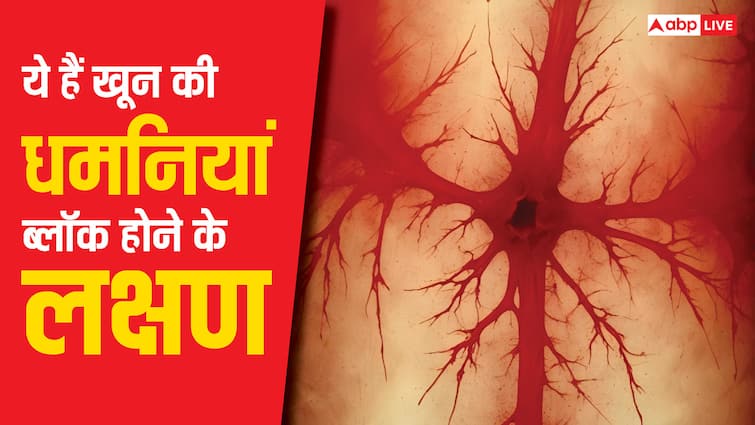
Coronary artery disease (CAD) is a major cause of heart attack in the world, but it often develops gradually and without any clear symptoms. This occurs when fatty deposits or plaques accumulate in the arteries that supply blood to the heart, which reduces circulation and increases the pressure on the heart. It is often not visible in the initial phase, but the body slowly sends signs which should never be ignored.
Timely identification and lifestyle changes such as heart-haldi diet, regular exercise, stress control and regular medical examination can slow the progress of coronary artery disease. If any signal appears, it is very important to take medical attention immediately.
Chest pen
Angina or chest pain is the most common sign of CAD. It often looks like pressure, tight feeling or squeeezing, such as a heavy object is sitting on a chest. This pain is usually between the chest or on the left side and can be trigger by physical activity, stress or heavy food. If this pain is persistent or acute, contact the doctor immediately, as it may be a warning sign of heart attack.
Shortness of breath
Lack of breath may be a sign of heart problem after mild activity or while resting. When heart blood does not pump properly, oxygen reaches less in the tissues of the body, which leads to lack of breath.
Chest
Heart -related pain is not always in the chest. Sometimes it can spread to the hand, shoulder, top back, neck, jaw or upper abdomen. This is called referred pain. Such pain is often considered muscle stretch or indigestion, but if it is frequent or without reason, it can be a sign of CAD.
Dizzy
Repeated dizziness or light head feeling is a sign that heart is not able to send blood to the brain properly. Poor circulation reaches less oxygen, which can also cause weakness or unconsciousness.
Sweat without reason
Sudden cold sweating without physical exertion is the indication that there is pressure on the heart. If sweat chest is accompanied by pain, nausea or dizziness, it can be an indication of early heart attack.
Ankle
Abnormal swelling or puffiness may occur in ankle, legs or thighs. This happens when the heart blood is not able to pump properly and the fluid is stored in the body.
persistent cough
Continuous cough that increases while lying down may be associated with heart problem. Fluid in heart failure can cause chronic cough or wheezing due to accumulation of fluid in the lungs.
Irregular heartbeat
Skipped beats, fast fluttering or Racing heart rhythm can be ArrhythMias. If this affair, chest pain or unconsciousness, a doctor should be evaluated immediately.
Throat
Pain in the throat or jaw alone is usually not associated with heart disease. But if this chest is with tightness or pressure, it can be a sign of angina or heart attack.
Digestive discomfort
Nausea, indigestion, heartburn or abdominal pain are often considered digestive problems, but it can also be associated with CAD, especially in women.
Coronary artery disease is often called a silent killer because it develops slowly and hides behind the Everyday Symptoms. Identifying these subtle signals can make a difference between Early Intervention and Medical Emergency. Timely diagnosis, Proper Medical Care and Healthy Lifestyle – Balanced Nutrition, Regular Exercise, Stress Control and Tobacco – You can protect your heart and arteries.
Also read- Do not ignore pain in these parts of the body, symptoms of this disease can be
Disclaimer: This information is based on the opinion of research studies and experts. Do not consider it an alternative to medical advice. Before adopting any new activity or exercise, consult your doctor or concerned specialist.
Check out Below Health Tools-
Calculate your body mass index (BMI)
Calculate the age through age calculator