
 By Admin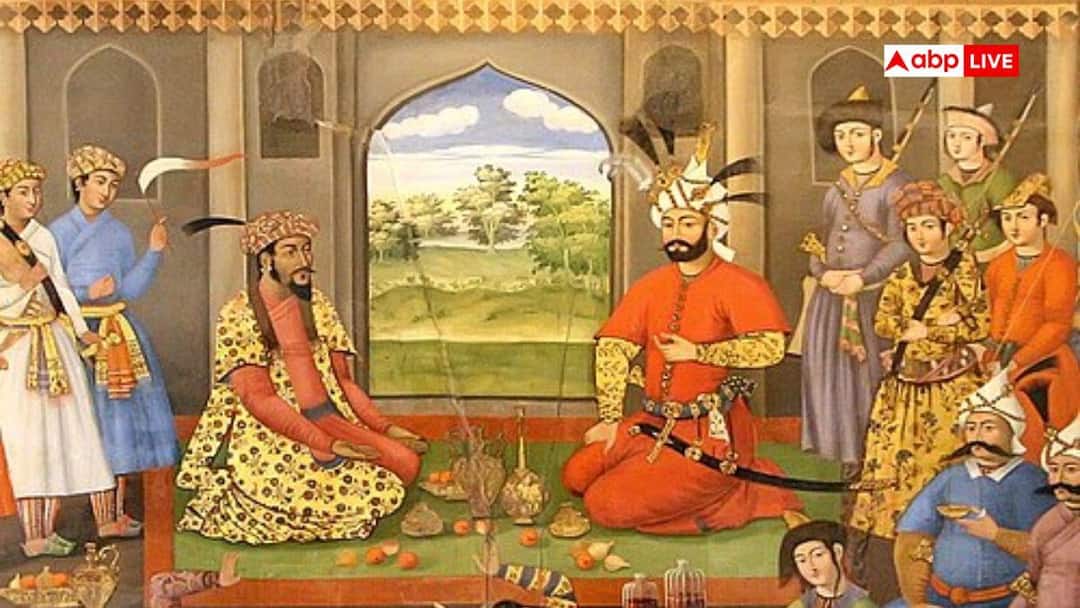
Today, when Iran is in the news because of war and politics, an important chapter of history comes to mind. This Iran was once a reliable partner of the Mughal court. From there horses, weapons, carpets, silk, dry fruits and even poets and artists came to India. At that time this relationship was not just about trade, but also about culture, language and power. Let us know how deep the relations between Iran and India were during the Mughal era.
Foundation of Mughal-Iran relations
The roots of the Mughal Empire were linked to Central Asia. The area from where Babar came had a deep influence of Persian culture. This was the reason why Persian language and traditions got importance in the Mughal court from the beginning. When Humayun had to leave India after the defeat by Sher Shah Suri, he was given refuge by Shah Tahmasp of Iran. Shah also provided military help, so that Humayun could regain the throne of Delhi. This political cooperation gave a strong foundation to the relations between the two countries.
After this, Persian language became the official language of administration in the Mughal court. Iranian influence became clearly visible in court culture, clothing, art and royal rituals.
Horses and weapons coming from Iran
High breed horses were very important for the Mughal army. There was a shortage of good breed horses in India, so horses were imported from Iran and Central Asia. These horses were used for both war and royal riding. Because of his strength and stamina, he was considered the backbone of the army.
Iran’s name was also there in the matter of weapons. Persian swords, armor and certain types of steel weapons were preferred in the Mughal court. Although the Mughals themselves made weapons, the influence of Iranian design and quality was visible.
Carpets and silk are the hallmarks of royal chic.
Iranian carpets were famous all over the world at that time. Fine workmanship, combination of colors and intricate designs made them special. These carpets were laid in Mughal palaces, Diwan-e-Khas and to welcome special guests. It was not just a decoration, but a display of royal power and prosperity.
Silk clothes were also imported from Iran. They were used in the costumes of kings, dresses of queens and gifts given to foreign guests. There was huge expenditure on these things, which was paid from the royal treasury.
alcohol and opium
Persian liquor had a special identity during the Mughal period. Jahangir is said to be fond of Persian liquor. It was not just a thing to drink, but was considered a symbol of foreign culture and royal status. Opium was also used in limited quantities. It was seen as a medicine and a relaxing substance.
These goods traveled for months to reach India through caravans. With the addition of security, taxes and traders’ fees on the way, their prices would increase further. Therefore it remained out of the reach of common people and limited to the royal class.
Fruits, nuts and luxury goods
Grapes, apples, almonds, pistachios and other dry fruits were imported from Iran. At that time these things were not easily available everywhere in India. They were specially used in royal feasts and festivals. Apart from this, rose water, olive oil and expensive clothes also came from Iran. These goods were not just food or utility items, but were considered a sign of foreign contact and prosperity.
People from Iran also used to come to India
Not only goods but also scholars, poets, painters and officials came to the Mughal court from Iran. Persian poets and writers have enriched Mughal literature. The influence of Persian style is clearly visible in history writing and poetry.
There was also influence of Iranian style in miniature painting. There were many Iranian artists and physicians in Akbar’s court. Doctors like Hakim Hamam were knowledgeable about the Unani system of medicine. This cultural exchange gave international recognition to the Mughal court.
balance of politics and culture
Relations between the Mughals and Iran were not always easy. There was tension between the two regarding border areas like Kandahar, but overall cultural and economic relations remained strong. The dominance of Persian language in the Mughal court, Iranian clothing, art and food are proof of this deep connection.
Also read: How many Indians are there in the Middle East, know where their largest number is?