
 By Admin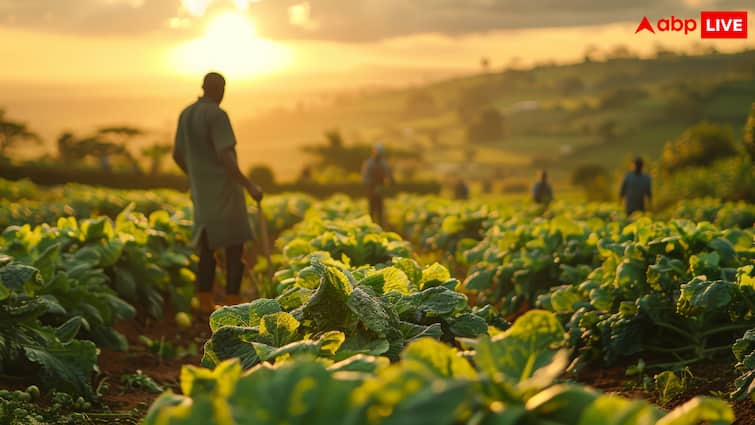
For the last few months, where the number of people seeking work under Mantma Gandhi National Rural Employment Guarantee Scheme MGNREGS was increasing continuously, while it saw a sharp decline in the month of March. According to the latest government data, 186.4 million families in March sought work under MNREGA, which is about 14.5 percent less than in February. This number was 224.9 million in January, 217.9 million in February and 215.7 million in December.
Are the situation improving in rural India now?
Talking to The Mint, a senior government official said that the surge in the demand for MNREGA between November and February was mostly due to seasonal reasons. Now work has increased in farming and non-agricultural sectors, so people are less towards MNREGA. This change shows that now other employment options are emerging in the villages.
The interesting thing is that the economy of the country is also showing this change. In October-December 2024 (Q3 FY25), GDP growth was 6.2 per cent, which was better than 5.6 per cent in the previous quarter. Consumption of villages and government expenditure contributed to this growth. The agricultural sector also showed a strength of 5.6 percent, it is far better than last year.
Government budget is the same, but more expenses!
In the FY26 budget, a provision of Rs 86,000 crore has been made for MNREGA, which is as much as last year. But in the FY24, initially there was an estimate of only 60,000 crores, while the actual expenditure reached 1.06 lakh crores. This shows that there was a huge unemployment in rural India last year, especially due to irregular rains.
The government plans to strengthen the rural economy through good monsoon and increasing government expenditure this year. India Meteorological Department has predicted more rain than normal this time, which can bring relief for both farming and employment.
What is MNREGA?
MNREGA is an ambitious scheme of the Government of India which gives at least 100 days of guaranteed employment to rural poor families. The work available in this is mostly non-skilled wages, such as construction of roads, water conservation, plantation, etc.
The demand for this scheme increases when there is a shortage of employment, wages or employment in unorganized areas in villages. Therefore, MNREGA is often called the “thermometer of rural crisis”. When the situation is bad, people come towards this scheme in large numbers. But now, this falling demand means that perhaps things in the villages are gradually returning to the tracks.
Also read: These stocks rained money on investors … The stock market jumped 6 lakh crores on the first day of the week