
 By Admin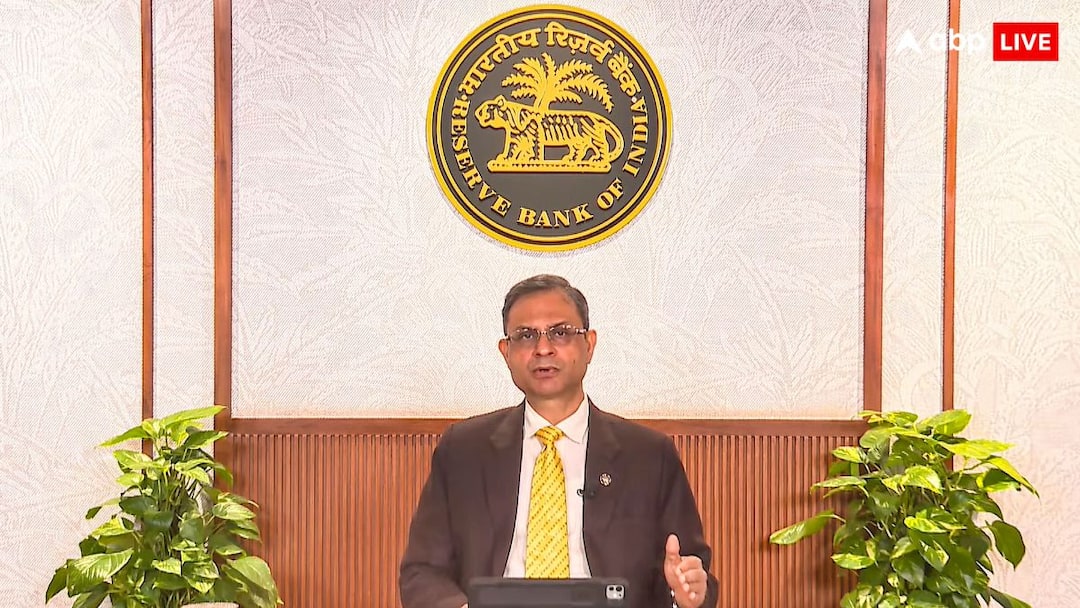
RBI Repo Rate: The Monetary Policy Committee (MPC) of the Reserve Bank of India (RBI) has decided to reduce the repo rate by 25 bps to 5.25 percent. Governor Sanjay Malhotra announced this on Friday. With this announcement of the Reserve Bank, the repo rate has now come down from 5.5 percent to 5.25 percent.
Due to reduction in repo rate, the loan will be cheaper, which will reduce the expenditure on EMI and encourage savings. Earlier, MPC meeting was held on October 1, in which the Reserve Bank did not make any change in the repo rate and kept it stable at 5.5 percent.
Economy will enter Goldilocks zone
Announcing the policy review of the last two months, Governor Sanjay Malhotra said, “Since the October 2025 policy, inflation in the economy has been seen to be slowing down considerably.” “Current growth inflation dynamics show a rare Goldilocks period, where growth remains strong.”
Who is called Goldilocks?
Let us tell you that in the language of economists, that period is called Goldilocks, when inflation remains under control and there is continuous growth. This word is taken from the children’s story ‘Goldilocks and the Three Bears’. In this, Goldilocks tries porridge served in three bowls, one of which is very hot, one very cold and one neither very cold nor very hot. Goldilocks eats the third bowl of porridge.
The condition of India’s economy is also similar. There has been a steady economic growth trend, which has prevented recession but is not so fast that inflation increases. That means the pace of development is balanced and stable.
How much did the repo rate reduce this year?
RBI has reduced the repo rate by a total of 100 bps between February and June this year. That means it has been directly brought down from 6.5 percent to 5.5 percent. Then in the meetings held in August and October, there was no change in the rates in the policy.
What is repo rate?
Repo rate is the rate at which the Reserve Bank gives loans to other banks. In such a situation, if the repo rate increases, then the loan from the Reserve Bank becomes expensive for the banks. Now if banks get expensive loans from the Reserve Bank, then the loans given to people will also become expensive. This will increase the burden on customers. Due to this, home loan, car loan, personal loan become expensive. The Reserve Bank increases the repo rate when there is a need to control inflation and increase the liquidity of banks.
Also read:
Big question before the new budget, is the old tax regime going to end? Know the opinion of experts