
 By Admin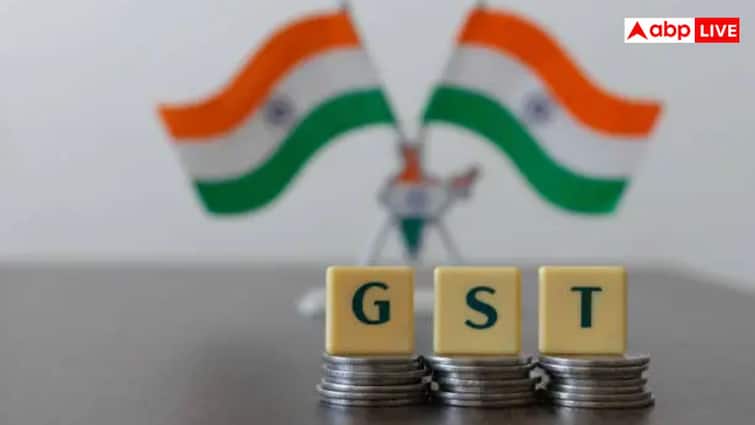
GST Reform: Prime Minister Narendra Modi made a big announcement of GST reforms on the occasion of Independence Day on 15 August. It is being told that this decision of the government will not only reduce the tax burden on the public, but will also give a boost to consumption. This ‘surprise gift’ of the government has a wave of happiness among investors. Alam is that auto, cement, consumer and financial stock have increased as the price decreases, then it will have a direct impact on consumption.
This step is positive for the country
At present, there are 5 percent, 12 percent, 18 percent and 28 percent rates in GST in GST. The government is considering implementing two-tier GST structure by eliminating 2 percent and 28 percent slabs. Apart from this, there is also thinking of putting up up to 40 percent high GST on Sin Goods like tobacco, paan masala, cigarettes and gambling. According to the Outlook Business report, Emkay Global says on this, “This is a big positive step for India because it will promote consumption, it will be easy to trade with low rates, this will make more formalization of the economy as tax evasion will be less, which will benefit.”
These sectors will benefit
Brokerage firms say that if 28 percent GST slab on passenger vehicles and two -wheelers is reduced to 18 percent, the automobile sector will benefit greatly. Jefferies also says that all companies will benefit from Jazz, Hero, TVS and Eicher. Motilal Oswal has also included Tata Motors and Ashok Leyland in the list of beneficiaries as the passenger vehicle segment has a large -scale presence of vehicles of these companies.
GST rate cuts are also expected to intensify the demand for air-conditioner and white goods. CLSA has said that Voltas and Havels have benefited more. Brokerage said, we hope that this change will be strongly affected by the demand for air conditioner, especially after signs of recent weakness. Currently, GST is charged at the rate of 28 percent on cement. Motilal Oswal estimates that if the rates are reduced to 18 percent, prices may fall to 7.5-8 percent.
Cheap cement for real estate developers can increase their margin by 40-50 basis points, as in many big cities, it has 4-5 percent of the prices of homes. However, according to Jefferies, this may lead to a loss of 20,000-25,000 crore in the revenue.
These products also expect the price to be reduced
Dairy, bottled water, juice and packaged snacks such as food and beverages items 12 will come from a slab of 12 percent to 5 percent slabs, then companies like Bikaji, Gopal Snacks, Nestle India and Dabur will be less marginalized. Jefferies said that Ayurvedic companies like Dabur and Emami can benefit further, as more Ayurvedic products fall into 12 percent slabs, which may probably be reduced by 5 percent.
GST on health is also going on
Lowering GST on health and life insurance is also being considered. EMKAY said, “Decreasing GST from 18 percent to 5 percent on the term plan will help Max Financial, while insurance companies like Star Health and ICICI Lombard may benefit indirectly from a possible increase in sales of vehicles.”
Also read:
Next Gen GST Reforms: ‘Turup leaf’ can prove to be GST reforms, single tax will open by 2047