
 By Admin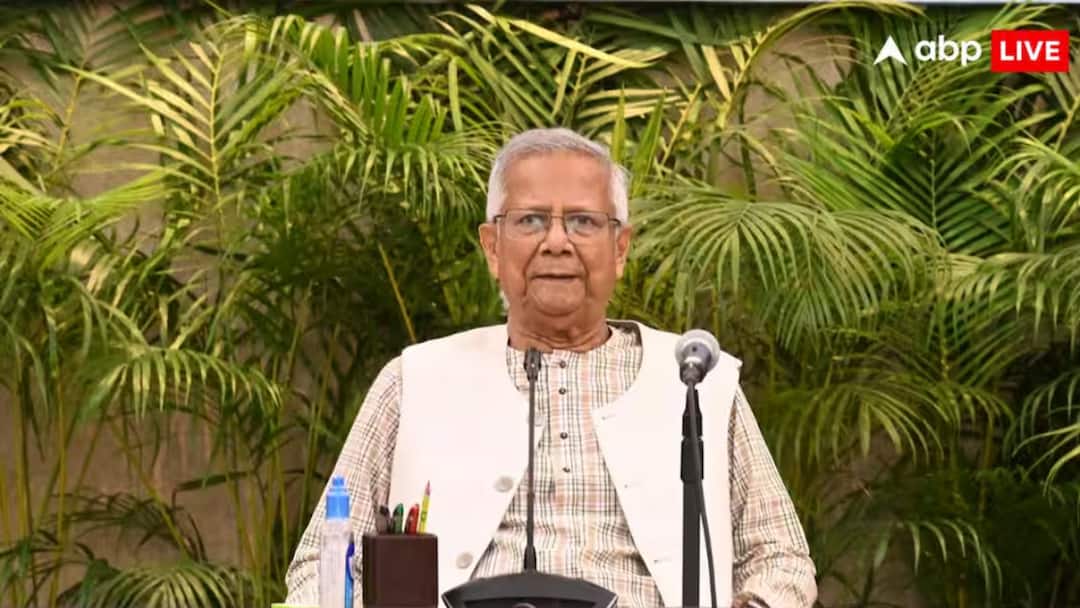
The head of the interim government of Bangladesh, Mohammad Yunus, has stepped down before the new government takes power in Bangladesh. With his resignation, Yunus has officially handed over power to Tariq after congratulating the BNP on its landslide victory in last week’s elections.
Mohammad Yunus took command as the chief advisor of the interim government formed after the removal of former Bangladesh Chief Minister and Awami League Chief Sheikh Hasina from power. He made this announcement in his farewell ceremony to the nation before handing over power to the elected government after the 13th parliamentary elections in Bangladesh.
According to HT report, Mohammad Yunus said in his address, today the interim government is leaving the post, but the process of fundamental rights, freedom of speech and democracy that has started in Bangladesh should not be stopped. Yunus returned to Bangladesh in August 2024, when Sheikh Hasina’s government fell. Yunus said, “It was the day of great liberation. What a joyous day it was! Bangladeshis all over the world shed tears of joy. The youth of our country freed it from the clutches of a demon.”
Tariq Rehman’s swearing in ceremony will be held on 17th February
The swearing-in ceremony of the new government in Bangladesh will take place on 17 February 2026. Bangladesh Nationalist Party chief Tariq Rahman will take oath as the new Prime Minister of Bangladesh. India has also received an invitation to the swearing-in ceremony of the new government of Bangladesh. Although Prime Minister Narendra Modi will not visit Bangladesh, Lok Sabha Speaker Om Birla will attend the swearing-in ceremony of Tariq Rehman.
Huge victory in 13th parliamentary elections
BNP got a bumper victory in the 13th parliamentary elections in Bangladesh. In the 300-seat Parliament, 151 seats are required to form a government and BNP won much more seats than this. After this it became clear that Tariq Rahman would be the next Prime Minister of Bangladesh. In this election, the Islamic Jamaat-e-Islami alliance emerged as the main opposition. There was about 59 percent voting in the elections. Besides, a constitutional referendum related to governance reform was also passed.