
 By Admin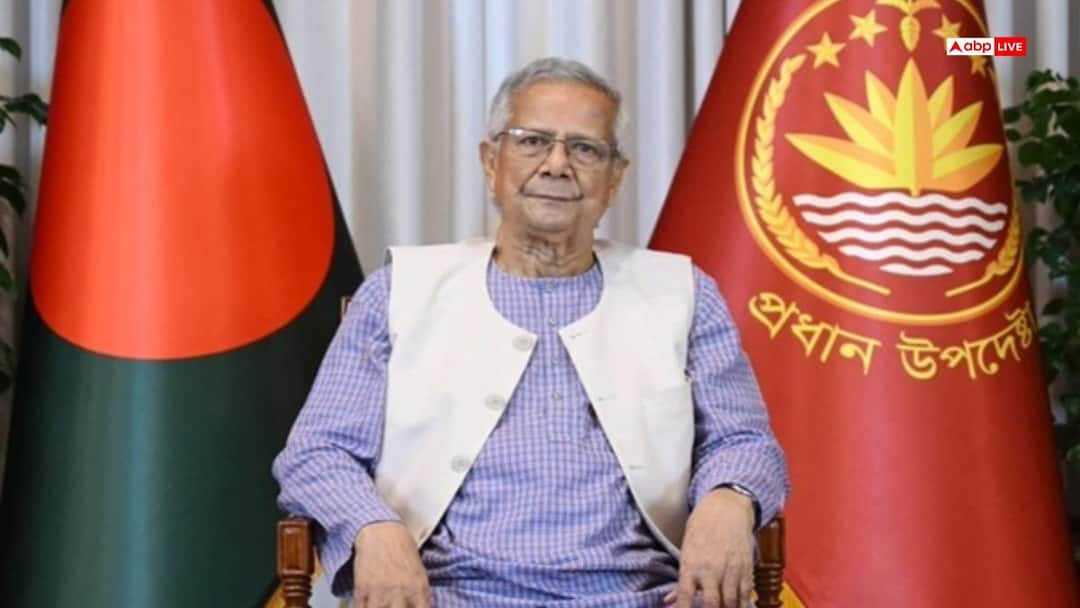
The political atmosphere in Bangladesh has become very tense before the general elections. In this election, which is going to be held for the first time after the change of power in the country, not only is the fight for power intense, but anti-India politics is also coming to the fore. After the ban on ousted Prime Minister Sheikh Hasina’s Awami League, the contest has changed into completely new political equations. After the fall of Sheikh Hasina government in August 2024, an interim government is working in the country under the leadership of Nobel Peace Prize winner Mohammad Yunus. Now it is expected that Bangladesh will get a full-time Prime Minister after the elections.
Awami League banned, political equation changed
After the ban on Sheikh Hasina’s party Awami League, it is certain that she will be out of the political arena. In such a situation, the electoral contest has been completely limited between the opposition forces. This change has also sparked a new debate regarding the direction of Bangladesh’s politics and relations with India.
BNP vs Jamaat-e-Islami
This time the main contest of the elections is believed to be between the Bangladesh Nationalist Party (BNP) led by Tariq Rahman, son of former Prime Minister late Khaleda Zia, and the fundamentalist Jamaat-e-Islami. Jamaat-e-Islami’s political agenda has long revolved around minorities and opposition to India. At the same time, BNP has also never stood openly in support of India.
BNP has lead in survey, Tariq Rehman can become PM
BNP has been shown a clear lead in the survey conducted by Bangladesh’s leading newspaper Prothom Alo. According to the survey, BNP can get more than 200 seats, due to which the party can reach close to absolute majority. In such a situation, there is a possibility of Tariq Rahman, who returned from Britain after a long time, becoming the new Prime Minister of Bangladesh.
Jamaat’s weak position, yet important role in opposition
The survey has also revealed that the position of Jamaat-e-Islami, known for its anti-India stance, does not appear to be strong. Jamaat, which is contesting the elections under the leadership of Shafiqur Rahman, is expected to get around 50 seats. However, it can play the role of an effective opposition in Parliament.
Mathematics of Parliament seats
There are a total of 350 seats in the Parliament of Bangladesh. Of these, people vote directly on 300 seats, while indirect elections take place on 50 seats. According to the survey, Bangladesh Jatiya Party may get about 3 seats, while the remaining seats are expected to go to independent candidates. Like India, the tenure of MPs in Bangladesh is also five years.
Yunus appeals on referendum and reform agenda
Meanwhile, the head of the interim government, Mohammad Yunus, has described the referendum as very important along with the general elections to be held on February 12. He has appealed to the countrymen to vote ‘yes’ in the referendum and support his proposed reform package.
Future will change with vote: Yunus
Addressing senior secretaries and top bureaucrats late on Monday night, Yunus said that if more votes are cast in favor of ‘Yes’ in the referendum, then the future of Bangladesh will move in a more positive direction. He claimed that this will help in removing the ‘misgovernance’ prevalent in the country.
Emphasis on 84-point reform package
The Yunus administration has been actively campaigning for the past several weeks in support of the complex 84-point reform package. The interim government believes that getting public approval in the referendum will pave the way for implementing administrative and political reforms.