
 By Admin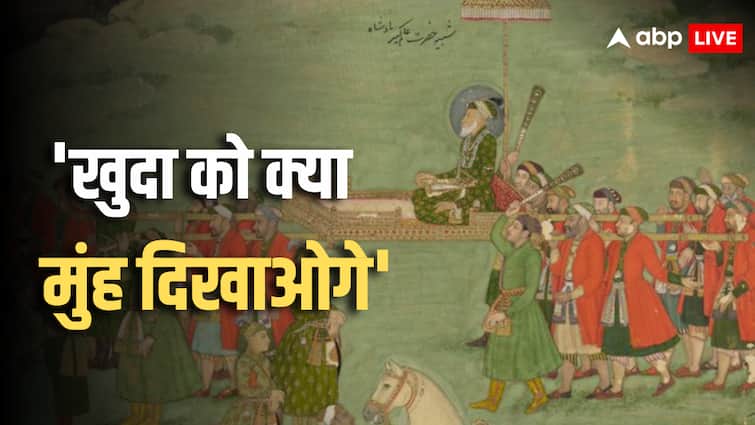
There are many information about Mughal history. However, stories about Auranzeb are also famous in all this. A story is related to the last stop of his age. It is a matter of 1680, when Aurangzeb reached South India with Lashkar of his entire empire. According to the Mughal tradition, the capital used to walk with the emperor, so his convoy used to go on a moving city. According to historian Audri Tushke, this journey was a lively performance of the strength of the Mughal Empire, but this journey removed him from Delhi forever. They never returned to the Red Fort again and the center of power became limited to South India. In South India, Aurangzeb led many surroundings and wars. His soldier Bhimsen Saxena wrote in his autobiography date-e-Dilkusha that the longing to capture Aurangzeb’s forts was unlimited, but these persistent wars weakened his power.
Aurangzeb’s personal life was filled with deep sorrows till old age. His daughters, son-in-law and grandchildren passed through one by one. The death of Jeb-un-Nisan (1702), son Akbar (1704), daughter-in-law Jahanjeb Bano (1705) and daughter Meher-un-Nisan (1706) broke them alone. According to the historian Jadunath government, till the end he remained surrounded by burning and sycophants. His sons Muazzam, Azam and Kambakhsh were not able to handle the throne. Disappointed with all this, Aurangzeb wrote in a letter that having a daughter is better than a unworthy son. Apart from this, he finally wrote to his sons, “How will you show your rivals and God in this world?”
Famine and epidemic in the south
From 1702 to 1704, South India was struggling with severe famine and epidemic. Passenger Nikolav Manuchi wrote that about 20 lakh people were killed in two years. People started selling their children at minor prices, but did not even get buyers. The villages became deserted and the atmosphere became frightening due to the odor of the corpses.
Aurangzeb’s death and legacy
Aurangzeb died in South India in 1707. They knew that the empire was shattered and their sons are not able to handle it. According to historian Moonis Farooqui, his harsh discipline and control over sons became his weakness. His life was spent in war and victories, but in the end his part came to loneliness, sorrow and a staggering empire.
Also read: Mughal Emperor Aurangzeb: Aurangzeb’s Hindu wife had crossed all limits of love, the whole Mughal family kept watching