24 Nov 2025, Mon

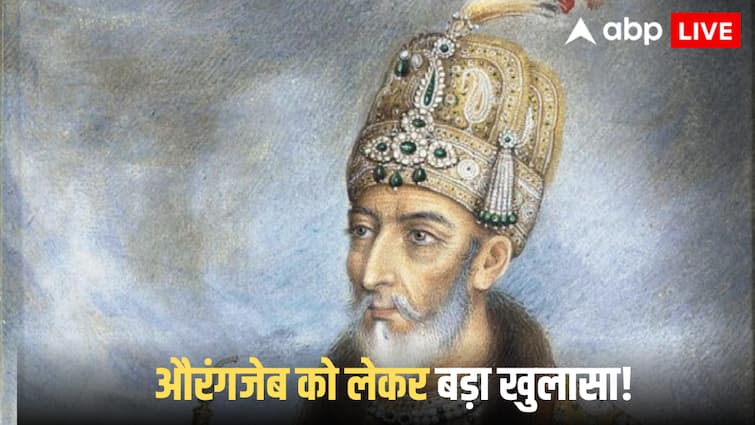
Mughal Emperor Aurangzeb: Which prediction did Mughal Emperor Aurangzeb make, which proved true?

Aurangzeb is often remembered in Mughal history as a harsh, religious and disciplined ruler, but an interesting aspect of his life is that he had deep faith in astrology and horoscopes.

Aurangzeb is often remembered in Mughal history as a harsh, religious and disciplined ruler, but an interesting aspect of his life is that he had deep faith in astrology and horoscopes.

Historian Jadunath Sarkar writes in his famous book The History of Aurangzeb that the emperor had chosen the day and time of his coronation on the advice of the court astrologers.

Historian Jadunath Sarkar writes in his famous book The History of Aurangzeb that the emperor had chosen the day and time of his coronation on the advice of the court astrologers.

Those astrologers had suggested that three hours and fifteen minutes after sunrise on Sunday, June 5, 1659, would be the most auspicious time for becoming an emperor. At the appointed time, Aurangzeb, who was sitting behind the curtain, got the signal and came out and sat on the throne of Delhi. That is, the rule of one of the most powerful Mughal rulers in history began at exactly the moment which astrologers had declared auspicious.

Those astrologers had suggested that three hours and fifteen minutes after sunrise on Sunday, June 5, 1659, would be the most auspicious time for becoming an emperor. At the appointed time, Aurangzeb, who was sitting behind the curtain, got the signal and came out and sat on the throne of Delhi. That is, the rule of one of the most powerful Mughal rulers in history began at exactly the moment which astrologers had declared auspicious.

The famous French traveler François Bernier, who came to India during the time of Aurangzeb, has also confirmed his belief. In the description of his travels, Bernier writes that Aurangzeb had also started his long journey to South India on the basis of astrological calculations.

The famous French traveler François Bernier, who came to India during the time of Aurangzeb, has also confirmed his belief. In the description of his travels, Bernier writes that Aurangzeb had also started his long journey to South India on the basis of astrological calculations.

Famous French traveler François Bernier told that on the advice of astrologers, Aurangzeb left for the south at 3 pm on 6 December 1664. He believed that this was the most auspicious time for a long journey.

Famous French traveler François Bernier told that on the advice of astrologers, Aurangzeb left for the south at 3 pm on 6 December 1664. He believed that this was the most auspicious time for a long journey.

Famous writer and historian M.J. Akbar has mentioned in his works that Aurangzeb had deep faith in the predictions of his personal astrologer Fazil Ahmed. It is said that he himself told his son – Fazeel Ahmed had prepared my horoscope and till now everything he said has proved to be true. It is also written in my horoscope that anarchy will spread after my death.

Famous writer and historian M.J. Akbar has mentioned in his works that Aurangzeb had deep faith in the predictions of his personal astrologer Fazil Ahmed. It is said that he himself told his son – Fazeel Ahmed had prepared my horoscope and till now everything he said has proved to be true. It is also written in my horoscope that anarchy will spread after my death.

Aurangzeb further said that after my departure there will be chaos everywhere. An ignorant and small minded emperor will rule. I will leave behind me a capable Wazir Asad Khan, but my four sons will not allow him to serve.

Aurangzeb further said that after my departure there will be chaos everywhere. An ignorant and small minded emperor will rule. I will leave behind me a capable Wazir Asad Khan, but my four sons will not allow him to serve.

History proved this prediction correct to a great extent. After Aurangzeb's death in 1707, the Mughal Empire became embroiled in political anarchy and family conflicts.

History proved this prediction correct to a great extent. After Aurangzeb’s death in 1707, the Mughal Empire became embroiled in political anarchy and family conflicts.

17th century India was not just an era of politics or wars. This was also a period of deep faith in astronomy, mathematics and astrology. Astrologers and astronomers often played an important role in the Mughal courts. Rulers like Akbar and Jahangir also considered the movement of stars and planets as auspicious and inauspicious.

17th century India was not just an era of politics or wars. This was also a period of deep faith in astronomy, mathematics and astrology. Astrologers and astronomers often played an important role in the Mughal courts. Rulers like Akbar and Jahangir also considered the movement of stars and planets as auspicious and inauspicious.

Aurangzeb was considered religiously fanatic. His belief in astrology shows that the mixture of science, religion and tradition was deeply ingrained in the governance system of that period.

Aurangzeb was considered religiously fanatic. His belief in astrology shows that the mixture of science, religion and tradition was deeply ingrained in the governance system of that period.

Aurangzeb's prophecy 'Aj Maast Hamah Fasad-e-Baaki' (after me there will be anarchy everywhere) proved to be not just a statement but a political reality. After his death, his son Bahadur Shah I took over the throne, but soon the Mughal Empire began to decline. Regional powers Maratha, Sikh, Jat and Nawab gradually started becoming independent.

Aurangzeb’s prophecy ‘Aj Maast Hamah Fasad-e-Baaki’ (after me there will be anarchy everywhere) proved to be not just a statement but a political reality. After his death, his son Bahadur Shah I took over the throne, but soon the Mughal Empire began to decline. Regional powers Maratha, Sikh, Jat and Nawab gradually started becoming independent.

Published at : 27 Oct 2025 09:42 AM (IST)

Source link

By Admin

Leave a Reply

Your email address will not be published. Required fields are marked *