
 By Admin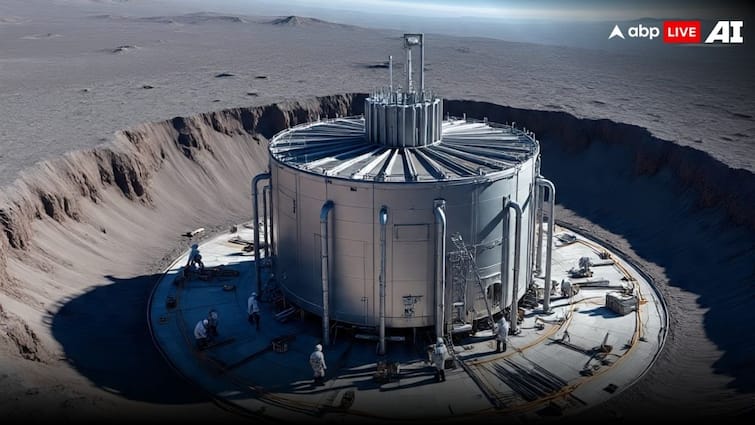
It is now an old thing to land on the moon, hoist the flag there for research there. Now the new space race has started on the Earth’s only satellite on permanent construction and energy supply, in which nuclear power plants can play an important role. In April 2025, China had planned to build a nuclear power plant on the moon by 2035, which will energize its proposed International Lunar Research Center.
In response to this, in August 2025, America’s caretaker NASA administrator Sean Dafi said that the US can start its nuclear reactor on the moon by 2030. It may seem new, but this shocking news is not at all. According to experts, this is not a sudden competition.
The Department of NASA and the US Energy have long been working on short nuclear power systems, which can provide electricity for bases, mining works and long -term residences on the moon. Space law experts believe that it is not a race for arms, but a strategic infrastructure race.
Not legally restricted
There is no new idea of nuclear power in space. Since the 1960s, the US and the Soviet Union have used radioceotope generators, which provide strength to satellites, Mars Rovers and Voyager missions from small level radioactive fuels.
The United Nations underlines the 1992 non-comprehensive proposal called ‘theory related to the use of nuclear power sources in external space’ that nuclear power may be necessary when solar energy is insufficient. This proposal determines guidelines for safety, transparency and international counseling.
International law is not prohibited from the use of nuclear power from peaceful purposes on the moon anywhere, but the first successful country can set standards for future conduct and legal interpretations.
Importance of installing first atomic reactor on the moon
Major countries including the US, China and Russia have signed the 1967 external space treaty, which decides that all countries take proper care of each other’s interests. This means that if a country puts an atomic reactor on the moon, then other countries will have legal and physically boundaries to work around it.
Other articles of the treaty also set the boundaries of similar conduct, although they also promote cooperation. All countries have the right to reach the Moon and other planets independently, but they cannot claim sovereignty. Nevertheless, countries can make hideouts and facilities there, which can be controlled by their access.
Infrastructure is effective
Putting reactor in an area is a sign of permanent presence there, especially in resource-rich areas such as the southern pole of the moon, where snow is present in the craters. This ice rocket can become a water source for fuel and lunar bases.
By creating infrastructure in these sensitive and scientifically important areas, a country can ensure access to resources and can also prevent others.
Solar energy limitations and nuclear options
The atmosphere on the moon is negligible and there is darkness for 14 days. Sunlight never reaches some craters. In such a situation, solar energy becomes unusable in many important areas. A small lunar reactor can provide electricity for more than 10 consecutive years, which can operate housing, rovers, 3D printers and life support systems. The same technology is also considered necessary for Mars missions.
Need for transparent governance
Experts believe that America has an opportunity to lead in technology as well as governance. If he keeps his programs public, follows international rules and promises peaceful use, it will inspire other countries to do so.
In the future, the impact on the moon will be determined, not from the flags, but the structures made there and the way of their use. Nuclear power can become an important part of this future, provided it is implemented according to the responsibility and international guidelines.
Also read: ‘We don’t know … ask Pakistan’, America said on the question of losing F-16 fighter jet during Operation vermilion