
 By Admin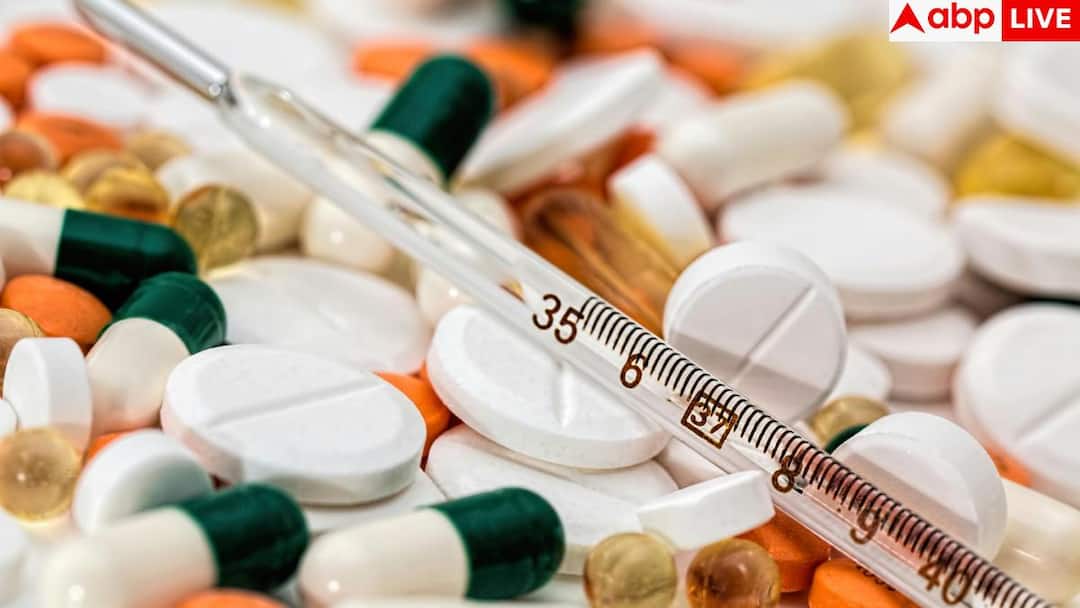
Painkiller Nimesulide News: The Ministry of Health and Family Welfare of the Central Government has banned the manufacture, sale and distribution of oral medicines containing Nimesulide in doses more than 100 mg. The Ministry has cited the possible risk to human health as the reason behind this. This decision has come into effect immediately with the issuance of notification on December 29. Nimesulide is a well-known non-steroidal anti-inflammatory drug, which is used to treat pain, swelling and fever in adults. In India, this medicine has been available in the market under many popular brand names including Nise, Nimulid, Nicip and in the form of fixed-dose combinations.
The government has clarified that this is not a complete ban on nimesulide. This ban is imposed only on those oral medicines in which the quantity of nimesulide is more than 100 mg and which are in immediate-release form. Medicines with dosage of 100 mg or less and other permitted forms do not come under the purview of this ban.
Why did the government ban high-dose nimesulide?
The Health Ministry has said that immediate-release tablets of nimesulide with doses more than 100 mg can pose a risk to human health, while safer alternatives are available in the market. This decision has been taken on the basis of the recommendations of the Drugs Technical Advisory Board and has been implemented under Section 26A of the Drugs and Cosmetics Act, 1940, which gives the government the right to ban any medicine in public interest. There has long been concern about liver toxicity with nimesulide, especially at high doses.
Restrictions have already been imposed on Nimesulide
This is not the first time that action has been taken against this drug. Earlier, the use of Nimesulide in children below 12 years of age has been banned because the risk of liver damage is higher in children. Apart from this, in February this year, the government had also banned the use of nimesulide and its medicines in the treatment of animals. Now this new restriction has been extended to high-dose formulations for adults.
What should patients do?
Health officials have advised that patients should not stop the medicine suddenly. People who are currently taking high-dose nimesulide should consult their doctor. The doctor may suggest safer painkillers or anti-inflammatory medicines as needed. By banning high-dose immediate-release nimesulide, regulators aim to reduce the risk of serious liver side effects while ensuring that patients have access to safe treatment options.
Also read: Bluetooth Earphones Cancer Risk: Can wearing Bluetooth earphones in the ears also cause cancer, what do experts say?
Disclaimer: This information is based on research studies and expert opinion. Do not consider this as a substitute for medical advice. Before adopting any new activity or exercise, please consult your doctor or relevant specialist.
Check out below Health Tools-
Calculate Your Body Mass Index (BMI)
Calculate The Age Through Age Calculator