
 By Admin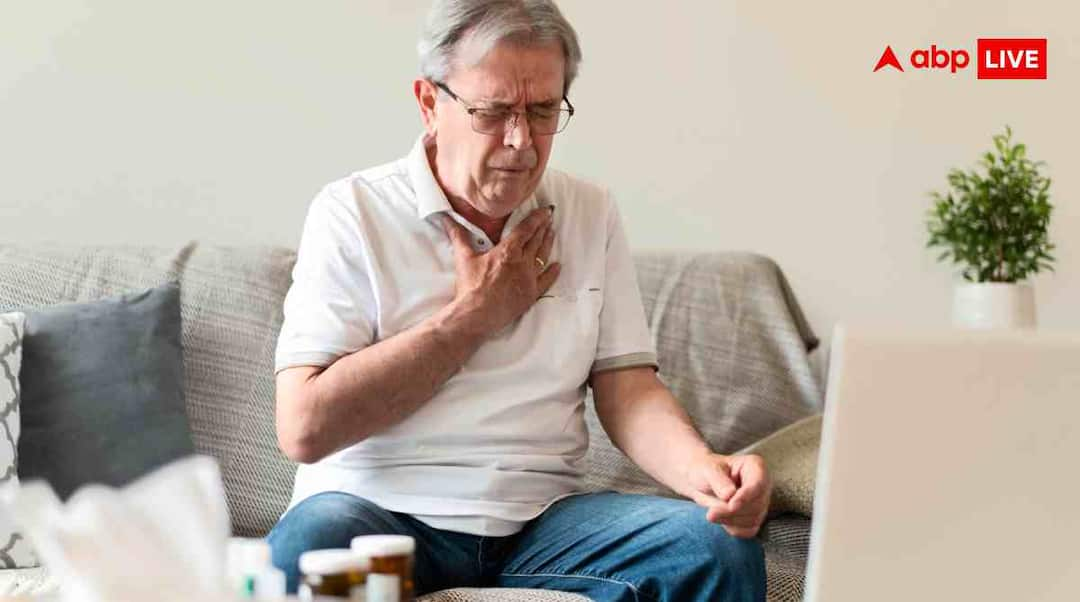
Today we are so engrossed in our work, mobile, career and responsibilities that we have almost forgotten to pay attention to our health. Especially carelessness regarding heart health is increasing rapidly. While earlier heart attack was considered a disease of the elderly, now this problem is rapidly affecting the youth as well. Wrong eating habits, habit of fast food, working sitting for long hours, lack of sleep and increasing mental stress, all these together are gradually making our heart weak.
Most people associate heart attack only with severe chest pain, whereas the truth is that heart attack does not always come with the same symptoms. Many times our body starts warning us in advance, but due to lack of information, we ignore those signals considering them as gas, fatigue or general weakness. This small carelessness can prove fatal in future.
Heart attack doesn’t just come suddenly
Experts and doctors of the cardiology department say that heart attacks do not happen suddenly. In many cases the body starts giving signals a few days or weeks in advance. If these signs are recognized in time, major problems can be prevented.
Not only chest pain, these are also symptoms of heart attack
1. Feeling slight discomfort or pressure in the chest – HIt is not necessary that there be severe pain only during heart attack, many people feel heaviness, stiffness, burning or pressure in the chest. This pain comes for a few minutes and then goes away, but may return again later. Sometimes this pain can originate from the chest and spread to the left arm, shoulder, neck, jaw or back. If this is happening again and again, it can be dangerous to take it lightly.
2. Shortness of breath without effort – If you start feeling short of breath even after walking a little, climbing stairs or doing light work, then it can be a sign of heart weakness. When the heart is unable to supply the right amount of blood and oxygen to the body, then such problems occur. Sometimes this problem can occur even without chest pain.
3. Feeling excessively tired – If you have started getting very tired just doing small daily tasks. For example, if fatigue does not go away even after doing household chores, walking for a while, doing light work and taking rest, then it can be a sign of a heart-related problem. This symptom is especially seen in women before heart attack.
4. Sudden cold sweat – Sudden cold sweat or excessive sweating without any reason can also be an early sign of a heart attack. Often people ignore it considering it to be heat or weakness. If these symptoms are accompanied by chest discomfort, fatigue or shortness of breath, then immediate examination should be done.
5. Dizziness or feeling like fainting – If you suddenly start feeling dizzy or feel like you are going to fall, it could be a sign that the right amount of oxygen is not reaching the heart and brain. This situation can be very serious and delay in it can prove fatal.
6. Gas, indigestion or stomach burning – Many times, stomach related problems occur before a heart attack, such as gas, indigestion, heaviness in the stomach, burning sensation. These symptoms seem common, but if they occur repeatedly and do not provide relief even with medicines, then it can indicate a heart problem. These symptoms are seen more in women than in men.
7. Trouble and restlessness in sleep – If your sleep is getting interrupted frequently, you feel nervous at night or you wake up due to shortness of breath, then this can also be a sign of a heart-related problem.
Easy ways to prevent heart attack
1. Eat balanced and healthy food.
2. Do light exercise or walk daily.
3. Stay away from smoking and alcohol.
4. Try to reduce stress.
5. Get your blood pressure, sugar and cholesterol checked regularly, get enough sleep.
6. If the symptoms persist for more than 5 minutes, do not get better even after rest, come back again and again, and do not get relief from taking medicine, then do not delay and go to the hospital immediately.
Also read: Secondary Hypertension: What is secondary hypertension, why is this disease increasing rapidly among youth in India?
Disclaimer: This information is based on research studies and expert opinion. Do not consider this as a substitute for medical advice. Before adopting any new activity or exercise, please consult your doctor or relevant specialist.
Check out below Health Tools-
Calculate Your Body Mass Index (BMI)
Calculate The Age Through Age Calculator