
 By Admin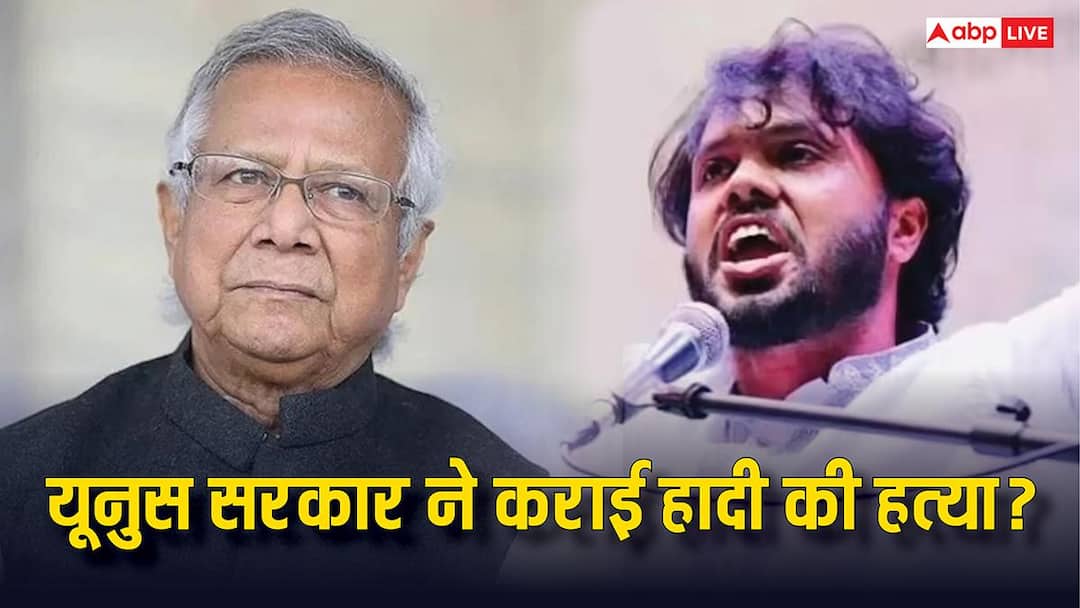
Political tension has increased in Bangladesh after the murder of student leader Sharif Usman Hadi. Hadi was shot in the head in Dhaka, due to which he died. Now his brother has accused a faction of the interim government led by Mohammad Yunus of plotting the murder to disrupt the national elections to be held in February.
Sharif Usman Hadi’s murder
Sharif Usman Hadi was the spokesperson of Inquilab Manch. It is a cultural organization that emerged during last year’s protests. Due to this demonstration, Sheikh Hasina was removed from power. Hadi’s assassination led to violent protests in Bangladesh, in which mobs targeted the offices of major newspapers and cultural organizations.
Hadi’s brother accused the government
Usman Hadi’s brother, Sharif Omar Hadi, took aim at the government during protests in Shahbag. He said, ‘You got Osman Hadi assassinated and now you are trying to postpone the elections by using this issue.’ Making serious allegations against the interim government, he said that his brother had expressed his desire to hold national elections by February.
Demand for elections and justice
Omar said that the killers should be immediately prosecuted so that the election environment is not affected. He warned, ‘If justice is not given for Usman Hadi, one day you too will have to leave Bangladesh. Omar was referring to Sheikh Hasina, who moved to India after the protests last year. Omar alleged that his brother was killed because he had decided not to bow before any agency or ‘foreign bosses’.
Inquilab Manch’s allegations and demands
Abdullah Al Jaber, member secretary of Inquilab Manch, said Usman’s killing was part of a ‘deep conspiracy’ to destroy the achievements of the July protests and the sovereignty of Bangladesh, The Daily Star reported. He claimed that international intelligence agencies and ‘fascist collaborators’ working in the country took part in the murder. Jaber has demanded from the government that the killers should be presented before the public within the stipulated time as per international standards, otherwise their opposition will intensify.