
 By Admin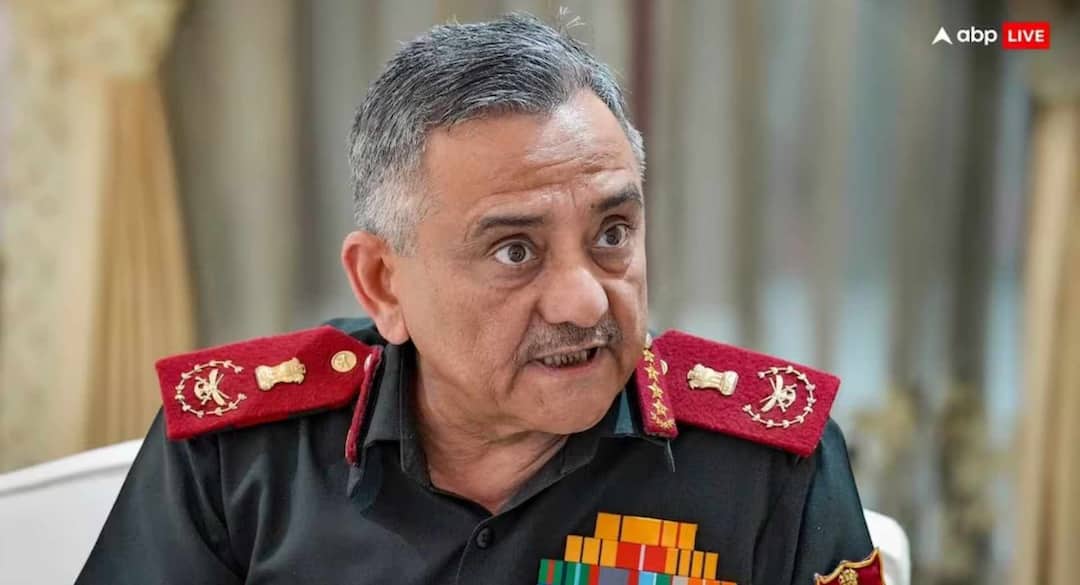
Operation Sindoor: Indian Army’s Chief of Defense Staff (CDS) General Anil Chauhan said on Friday that Operation Sindoor has forced Pakistan to make changes in its constitution and higher military organization. This is a clear indication that this operation did not go in favor of Pakistan. Speaking at the Gokhale Institute of Politics and Economics (GIPE) Pune Public Policy Festival 2026, General Chouhan said the steps taken by Pakistan after the operation, such as changes in the military command structure, showed that there were serious shortcomings during the conflict. Pakistan abolished the post of Chairman of the Joint Chiefs of Staff Committee and instead created the post of Chief of Defense Forces. Along with this, National Strategy Command and Army Rocket Forces Command were also created.
General Chauhan said that due to this, land, joint and strategic military powers have been concentrated in the hands of a single person. He said, ‘This is against the basic principle of jointness and shows land-centric thinking. Such centralization can create problems within the Pakistan Army.
What impact did it have on India’s command structure?
When asked whether Operation Vermillion had brought about changes in India’s command structure, the CDS clarified that he does not have direct command over the three service chiefs, but they do have operational responsibility. As the permanent chairman of the Chiefs of Staff Committee, he said that decisions are taken jointly so that planning and implementation is done properly. He said that the CDS directly supervises new areas like space, cyber, electromagnetic and cognitive warfare and the special forces under the Integrated Defense Staff.
Changes in military strategy and future war preparations
General Chauhan said that military strategy is changing in the world and now technology is playing an important role in war instead of geography. He said, ‘Earlier, from Panipat to Palasi, geography used to decide military operations, today technology is deciding the strategy.’ He warned that future conflicts will be mostly non-contact and non-kinetic, but conventional land wars will still remain difficult and manpower-intensive, especially along the disputed borders of Pakistan and China. He said, ‘We have to be prepared for both, smart, technology-based war and conventional war, but will try to avoid conventional war.’
Lessons from Operation Sindoor and earlier operations
General Chauhan said that many lessons were learned from Operation Sindoor and earlier actions like Uri surgical strike, Doklam and Galwan standoff, and Balakot air strike. These operations were carried out under new, situation-specific command arrangements. He said, ‘We are now creating a standardized system that can be applied in all circumstances.’ General Chauhan expressed confidence that most of the work to establish joint theater commands has been completed and expressed hope that the unified command structure will be implemented before the scheduled time.