
 By Admin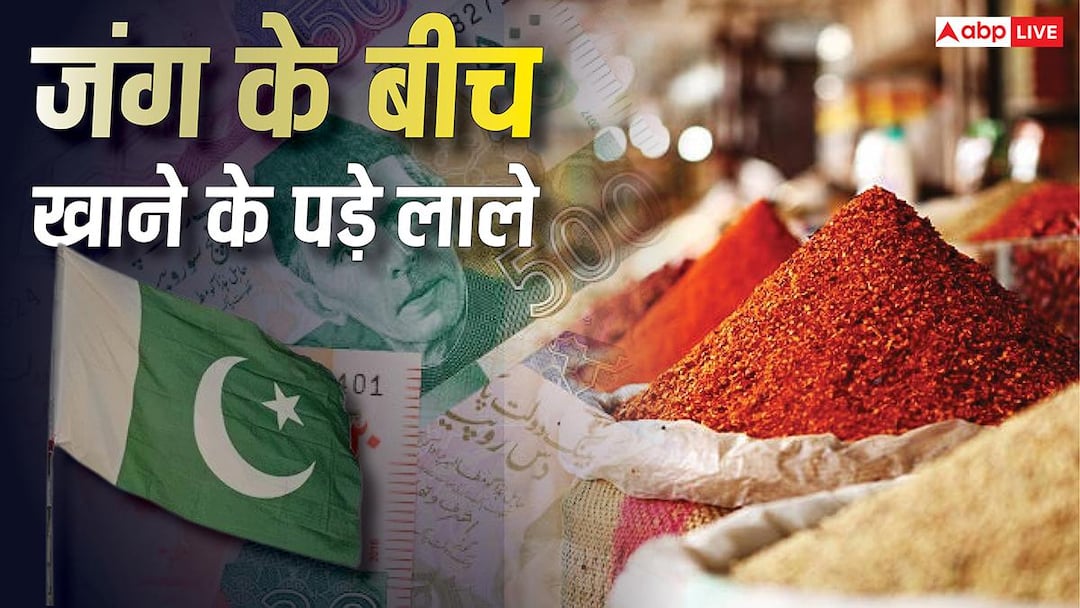
Pakistan Food Crisis: on one side Pakistan And afghanistan There are reports of increasing tension between India and Pakistan, while on the other hand, Pakistan is facing the threat of serious food crisis. According to reports, there is a possibility of a huge decline in wheat production in the country this year, which may have a direct impact on the common people.
United States Department of Agriculture According to (USDA) report, wheat production in Pakistan may decrease by 2 to 2.2 million tonnes this year as compared to last year. A large population of the neighboring country Pakistan is dependent on roti, naan, bread and other wheat-based food items, hence the reduction in production is expected to increase the pressure on supply and prices.
Big crisis facing Pakistan
The situation is also worrying because Pakistan has already exported other crops like rice and millet on a large scale. In such a situation, domestic food security has become largely dependent on wheat. If the projected decline occurs, the government may have to take steps like increasing imports, strengthening storage management or subsidies, otherwise inflation and food crisis may deepen.
Apart from this, the country is also facing internal and border challenges. Balochistan And Khyber Pakhtunkhwa Instability in areas like this has had an impact on agricultural activities. Production and supply chains have been affected due to unrest and security problems in these areas.
Pakistan surrounded on many fronts
There are many reasons behind the decline in wheat production in Pakistan. The biggest reason is prolonged drought, especially in areas that are completely dependent on rainfall. Irrigation was affected due to lack of adequate rainfall, which had a direct impact on crop area and production. The area under wheat cultivation has reduced from 10.37 million hectares to 9.1 million hectares in the financial year 2025–26. This reduction in cultivable area is a big indication of a possible decline in production.
According to Pakistan Meteorological Department, at the beginning of the year 2025, about 39 percent less rainfall was recorded than the average. This huge reduction in rainfall was especially harmful for those areas where there are limited means of irrigation and farmers depend on monsoon or seasonal rains. Less rainfall, decreasing area and irrigation crisis. All these factors together have increased the pressure on wheat production in the country, which may impact food supply and prices in the future.
Overall, Pakistan is currently facing a double challenge. On one hand there is possible wheat shortage and on the other hand there is security related tension. In the coming times, government policies and availability of imports from the global market will decide the direction of the situation.