
 By Admin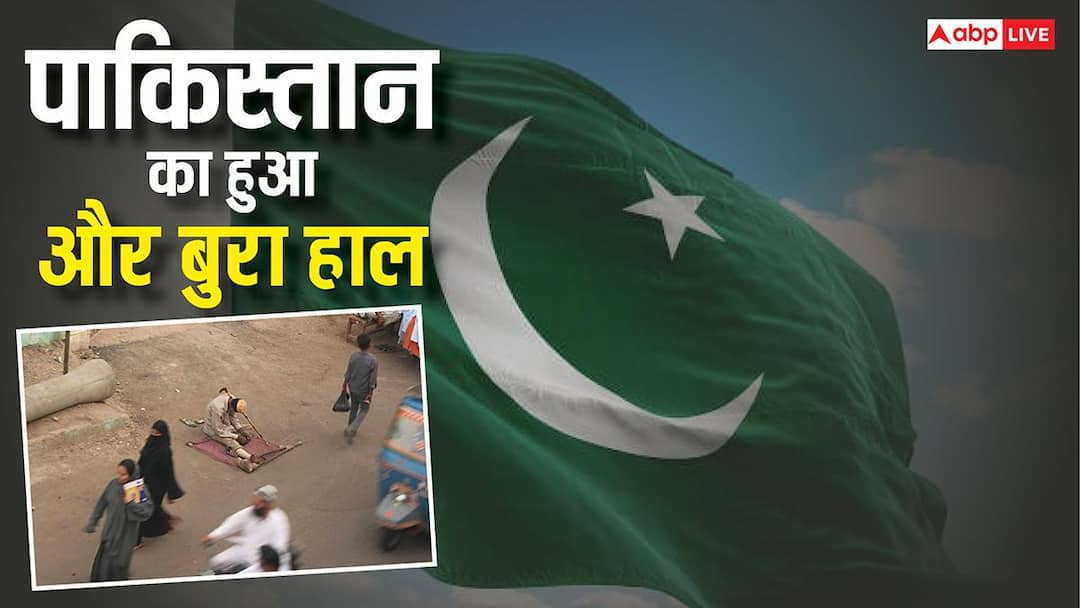
Pakistan Foreign Loan Rises: Neighboring country Pakistan may have somehow escaped from the brink of bankruptcy two years ago, but its economic condition still remains extremely critical. Dependent on the help and loans of international organizations, Pakistan is continuously taking foreign loans to manage its economy and meet the basic needs of the people. The situation is so serious that despite the special relief package received from the International Monetary Fund (IMF), if it does not get new loans from time to time, a famine-like situation may arise in the country. This has been revealed in the report of Pakistan’s leading newspaper ‘Dawn’ itself.
Pakistan’s increasing debt
According to the report, between the first five months of the current financial year i.e. July to November 2025, there has been an increase of about 14 percent in the loans and grants taken by Pakistan from foreign countries and this amount has increased to $ 3.032 billion, whereas in the same period last year it was $ 2.667 billion. During this period, there was a sharp increase of 46.2 percent in foreign debt and it reached 2.521 billion dollars, while there was a huge decline of 43 percent in grants and it came down to just 54 million dollars.
In the month of November alone, Pakistan took a foreign loan of $ 511 million, which was more than the $ 471 million taken in October, although it was about 46 percent less as compared to November 2024. It is noteworthy that earlier this month, IMF had approved additional assistance of 1.2 billion dollars to Pakistan, but this amount has not been included in the current debt figures.
No relief even from IMF package
The Government of Pakistan has set a target of raising a total of $19.9 billion in foreign funds in this financial year, which is slightly less than last year’s $19.4 billion. After receiving the new installment of $1.2 billion from the IMF, the total amount Pakistan will receive from this international organization will increase to $3.3 billion.
However, along with the relief, the IMF has also increased the pressure on Pakistan and asked it to accept 11 new conditions in exchange for monetary support, taking the total number of conditions imposed in the period of 18 months to more than 64. These conditions include important issues like curbing corruption, tax reforms, transformation of power and energy sector, administrative reforms and better governance, which show that the path to improving Pakistan’s economic health still remains very difficult and uncertain.
Dependence on foreign loans
The latest financial assistance received by Pakistan from the IMF has come at a time when its economy is becoming completely dependent on foreign loans and international aid. Even though Pakistan may have technically been saved from bankruptcy in the year 2023, even after that no concrete improvement has been seen in the situation. Increasing current account deficit, weak foreign exchange reserves, high inflation and continuously falling value of rupee have further weakened the economic foundation of the country. The situation is that today Pakistan has become one of the most indebted countries in the world after Argentina and Ukraine.
The growing gap between the government’s income and expenditure, weak tax collection system and persistent deficit in the energy sector are deepening its financial troubles. The loan from the IMF provides short-term relief, but the strict conditions imposed in return increase the burden on the general public, which include subsidy cuts, tax increases and inflation. In such a situation, experts believe that if Pakistan does not work seriously on structural reforms and does not make a strategy to get out of the debt-based economy, then its economic situation may become more fragile in the coming years.
Also read: Gold prices rise again, know the latest rates of your city from Delhi to Mumbai-Kolkata on 24th December.