
 By Admin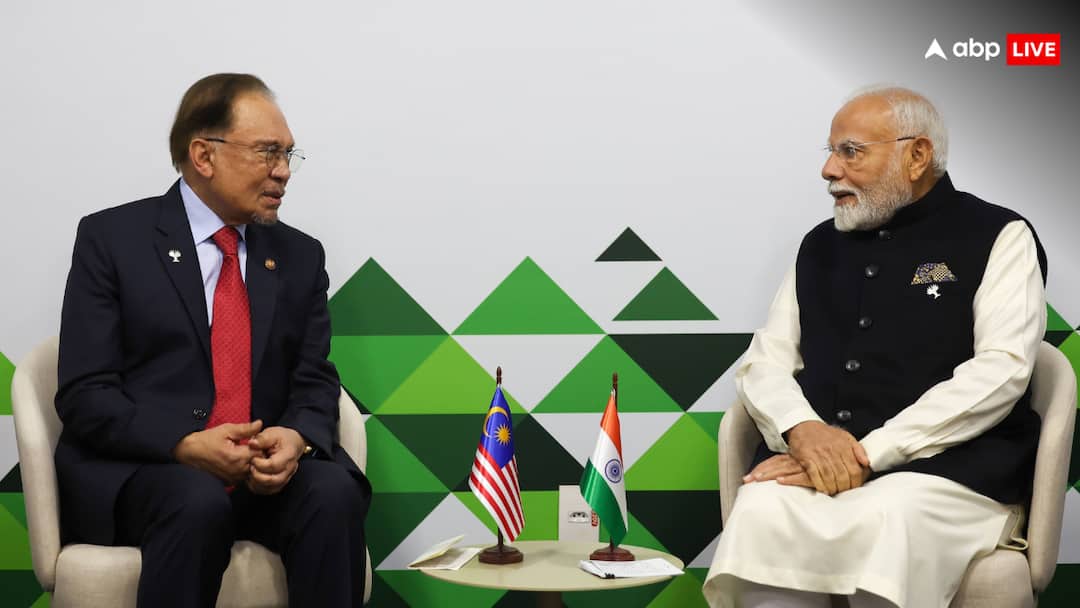
Prime Minister Narendra Modi is leaving for Malaysia on Saturday (February 7, 2026) on a two-day official visit. This visit is being considered very important towards further strengthening the overall strategic partnership between India and Malaysia. During this visit, there will be discussions on many important issues related to trade, defence, strategic cooperation, education, culture and public relations.
The historical and socio-cultural relations between India and Malaysia have been very strong. The Indian expatriate population of about 29 lakhs in Malaysia provides a strong foundation to the relations between the two countries. Malaysia is an important partner of India in ASEAN and the Indo-Pacific region and is also a key pillar of India’s ‘Act East Policy’.
The archway located in the Brickfields area of Kuala Lumpur is a symbol of the friendship between India and Malaysia, which was jointly inaugurated by the Prime Ministers of the two countries on 23 November 2015. Diplomatic relations between India and Malaysia started in 1957. The relationship between the two countries was given the status of ‘Advanced Strategic Partnership’ in 2015 and ‘Comprehensive Strategic Partnership’ in 2024, which took bilateral relations to new heights.
There is continuous dialogue between the Prime Ministers of the two countries
There is a continuous dialogue between Prime Minister Narendra Modi and Prime Minister Anwar Ibrahim. The two leaders have been meeting at the BRICS Summit in Brazil, ASEAN-India Summit in Kuala Lumpur and through phone talks.
Modi met Prime Minister Anwar Ibrahim during the BRICS summit held in Rio de Janeiro, Brazil on July 6, 2025. Prime Minister Modi participated in the 22nd ASEAN-India Summit held in Kuala Lumpur on October 26, 2025 through virtual medium. There was also a telephone conversation between the two Prime Ministers on October 22, 2025.
Top leaders of India also visited Malaysia
Prime Minister Modi paid an official visit to Malaysia in November 2015 and had a brief stay in Kuala Lumpur in 2018. Prime Minister Anwar Ibrahim came on a state visit to India in August 2024 along with five cabinet ministers.
From the year 2022, regular political dialogue is taking place between the two countries at the highest level. Foreign Minister S. The visits of Jaishankar, Defense Minister Rajnath Singh and several Union Ministers to Malaysia reflect this continuous contact.
Relations between India and Malaysia in the field of defense and economic cooperation
Relations between India and Malaysia have continuously strengthened in the field of defense cooperation. Along with military training, joint exercises and defense industry cooperation, HAL’s regional office in Kuala Lumpur adds new strength to the defense ties between the two countries.
On the economic front, bilateral trade between India and Malaysia has reached about $19.85 billion in the financial year 2024-25. Malaysia is India’s third largest trading partner in ASEAN, while India is among Malaysia’s top 10 partners. From April 1, 2023, trade between the two countries can also be settled in Indian rupees.
Both countries have relaxed visa rules for each other
To further promote people-to-people contacts, both the countries have relaxed visa rules. From December 2023, Malaysia introduced visa-free entry for Indian citizens, while from July 2024, India introduced free tourist visa for Malaysian citizens, valid till December 2026. In 2025, about 14 lakh Indian tourists reached Malaysia, while about 3 lakh Malaysian tourists came to India.
PM Modi’s visit will be a new direction for India-Malaysia relations
To further deepen cooperation in the field of education and culture, the Ayurveda Chair in Malaysia and the Thiruvalluvar Chair in University Malaya, Kuala Lumpur have been established, thereby strengthening cultural and academic relationships. Overall, this visit of the Prime Minister is being considered to give a new direction to India-Malaysia relations at the strategic, economic and cultural level.
Also read: Rahul Gandhi met GIG workers, said- law will soon be implemented in Congress ruled states.