
 By Admin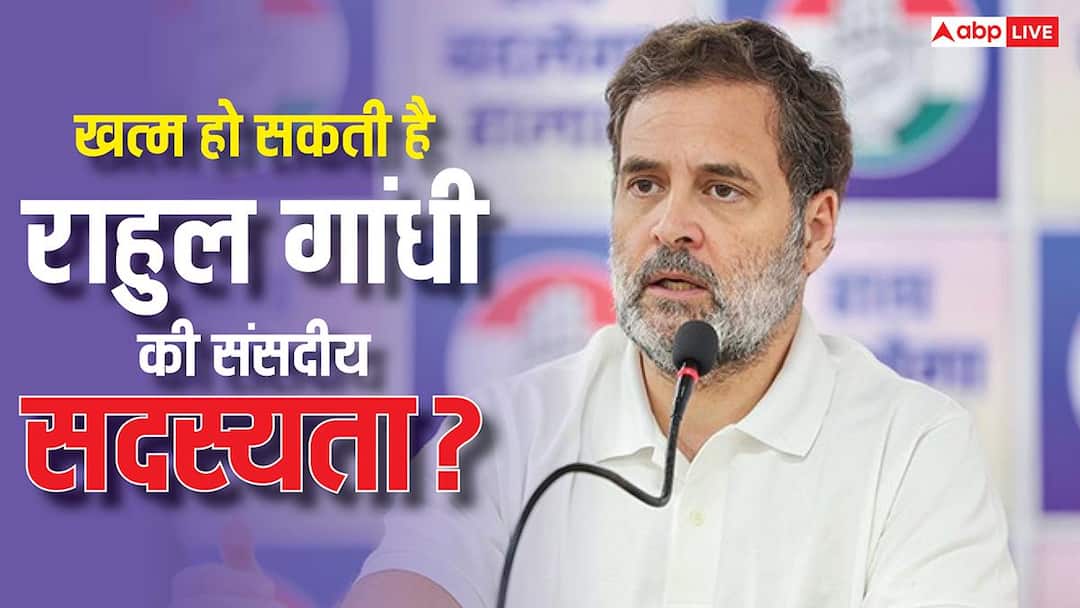
Rahul Gandhi Membership: A political controversy has arisen in the Lok Sabha after BJP MP Nishikant Dubey brought an important motion against Congress leader Rahul Gandhi. In fact, Dubey demanded termination of Rahul Gandhi’s parliamentary membership and even demanded a lifetime ban on him from contesting elections. Meanwhile, a big question is arising that if Rahul Gandhi’s membership ends, what will be its legal and political consequences. Let us know.
Grounds for termination of membership
Nishikant Dubey has given an independent proposal instead of breach of privilege. The main basis of this proposal is misleading claims, claims of association with foreign institutions and damage to the dignity of institutions. He has accused Rahul Gandhi of presenting wrong facts in the House during the budget session and misleading the country.
Potential legal and political harm
If Rahul Gandhi’s membership is terminated then he may suffer huge losses in such a case. Actually, Rahul Gandhi is currently the Leader of Opposition in the Lok Sabha. On losing membership, he will immediately step down from this constitutional post. Along with this, there has also been a demand in the proposal to ban him from contesting elections for life.
Although there is a ban of 8 years on a sentence of 2 years, the House has greater powers to expel the member. If this happens, Rahul Gandhi will neither be able to give a speech in the House nor be a part of any parliamentary committee. Not only this, but after cancellation of membership, they will have to vacate the government bungalow within 1 month and their salaries and allowances will also be stopped.
What is the process of substantive motion?
Actually this is an independent proposal which can be discussed and voted on in the House. The Speaker can put it up for voting under Rule 342. Not only this, the Speaker can hand over the matter to the Privilege Committee or any special committee for investigation. Dubey has demanded the expulsion of Rahul Gandhi, citing the example of Subramanian Swamy’s expulsion from the Rajya Sabha in 1976.
Apart from these legal consequences, termination of membership can also have major political consequences. The party’s strategy may change, people’s thinking will also be affected and electoral calculations at both the state and national levels may be affected. However, Indian law does not permit lifetime bans unless specific legal provisions justify a longer period of disqualification in specific circumstances.
Also read: Who is Hind Al-Owais, who wanted her sister to meet Jeffrey Epstein, know in which field her career?