
 By Admin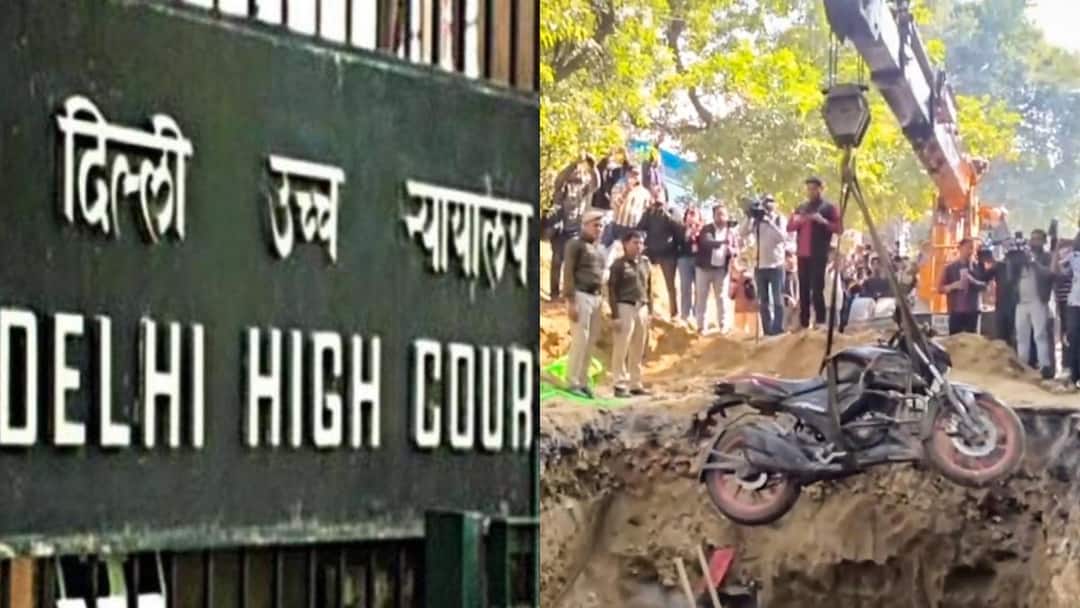
Delhi High Court, adopting a strict stance in the case related to a tragic accident that took place in Janakpuri area, refused to grant anticipatory bail to the accused contractors. The court clearly said that public roads cannot be allowed to become death traps. The case pertains to an incident in which a young man lost his life when he fell into a 20 feet deep pit dug on a public road. It is alleged that neither any warning board was installed at the spot, nor barricading was done nor any kind of security arrangements were present.
If leniency is exercised then wrong message will be sent – Delhi HC
Justice Swarn Kanta Sharma said during the hearing that if leniency is taken in such cases, it will send a wrong message and people’s lives will be considered a side effect of contractual work. The court remarked that while digging on busy roads, the safety of people cannot be left to God. In this case, the police have registered an FIR under section 105 of BNSS (culpable homicide not amounting to murder) and other sections. Delhi Police told the court that the excavation work was done in complete disregard of safety rules and the work was handed over to the sub-contractor without permission.
Economic crisis is not a ground to escape criminal responsibility – HC
In the Delhi High Court, the contractors argued that they were not present at the spot at the time of the incident and the company was going through the bankruptcy process, but the court said that handing over the public work to someone else does not end the responsibility of the original contractor and financial crisis cannot become a ground to escape criminal responsibility.
Injured youth was not given immediate help – HC
Expressing serious concern, the Delhi High Court said that after the accident, the injured youth was not given immediate help and the police or emergency services were not even informed. It is clear from the records presented in the court that instead of saving the life of the victim, the accused first tried to save themselves from legal action. With these comments the court rejected all the anticipatory bail petitions.