
 By Admin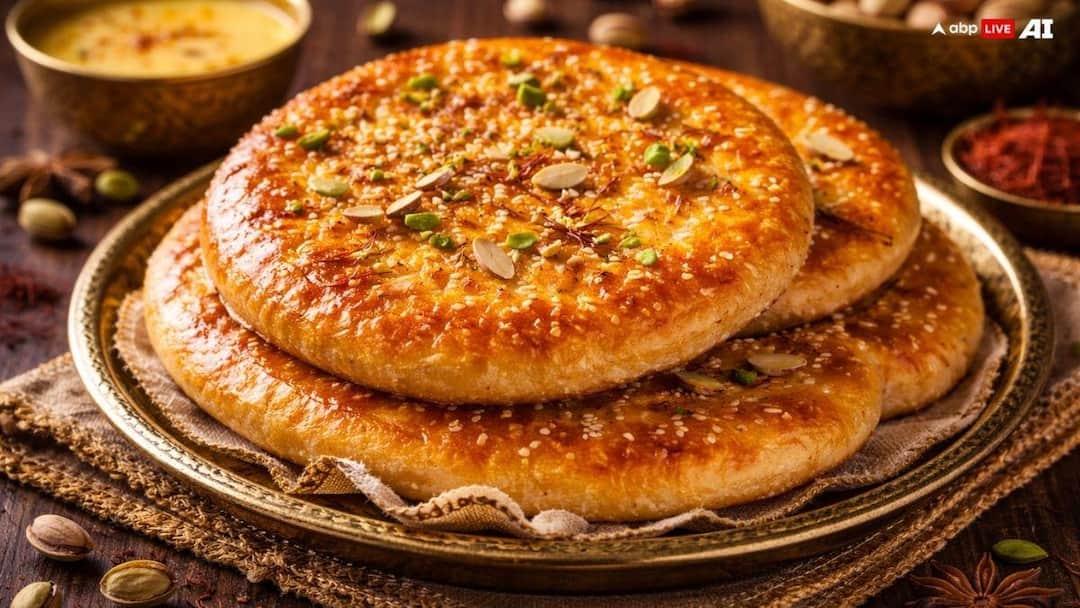
Sheermal History: Sheermaal, often called the bread of the rich, is one of the most delicious traditional breads in South Asian cuisine. Unlike normal rotis, Sheermaal is kneaded with milk, saffron and pure ghee. Because of this it gets a rich taste and soft texture. Its journey started from old Persia and reached India through the Mughals and Nawabs of Awadh. With time it became an essential part of the royal kitchen.
Where did it start?
Sheermal originated in Persia. Here bread made with milk and saffron was a part of the royal meal. From there it reached the Indian Subcontinent via the Historic Silk Route through areas like Afghanistan and Central Asia. Mughal emperors are known for bringing Persian culture and food to India. He played a big role in making Sheermaal popular in North India.
How did Sheermaal become popular in Lucknow?
In the 18th and 19th centuries, Sheermal gained special importance in Lucknow, the capital of Awadh. The Nawabs of Awadh were famous for their luxurious lifestyle and good food. It is believed that Nawab Ghaziuddin Haider or Nasruddin Haider asked the royal chef to prepare a special dish. Because of this, Sheermal was made better and popular in the royal kitchen of Lucknow.
According to local stories, a baker named Mamdu in Lucknow’s Firangi Mahal made a special bread to eat with Nihari. Nihari was a slow cooked meat dish among the royal people. They used flour, milk mixed with saffron and ghee and cooked it in this traditional tandoor. The Nawab was very pleased with its taste and Sheermal soon became a part of the royal diet.
Why is Sheermaal called the bread of the rich?
Sheermaal is called the bread of the rich. This is because it contains expensive ingredients like saffron, ghee, milk, cardamom and sometimes mawa. Because of these things it was more expensive than regular rotis. This is the reason why Sheermaal was mostly eaten in royal houses and rich families.
Variety from different regions of India
Over time, Sheermaal changed into the styles of different regions across India. In Lucknow it is round, soft and saffron in colour. Along with this, in Bhopal it is often rectangular and has the taste of cloves.
Also read: How much is 1 kg flour available in Pakistan, is inflation more or less than Afghanistan?