
 By Admin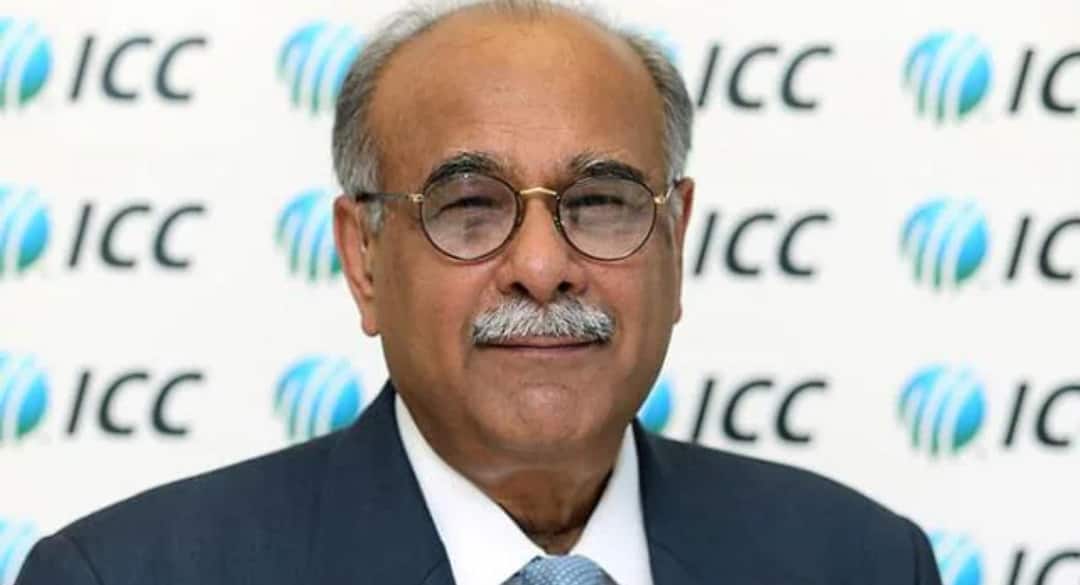
T20 World Cup: The India-Pakistan group match in the 2026 T20 World Cup will now be played on the scheduled time i.e. on 15th February. The Pakistan government had earlier talked about boycotting this match, but later changed its stance. The long talks between ICC and Bangladesh Cricket Board are said to be an important factor behind this decision.
However, Pakistan’s former PCB Chairman Najam Sethi says that this entire situation happened because of ICC’s retreat, Pakistan took this decision deliberately. He said in an interview to India Today,
‘Actually the ICC took a step back. Pakistan took the decision in a very thoughtful manner. He looked at all aspects and understood that if he did not play the match, there would be no major penalty. Advice was taken from top domestic and foreign lawyers.
Najam Sethi said this
Najam Sethi said, ‘There were some examples which made it clear that Pakistan is in a strong position. ICC also realized this so they took the initiative. For this reason, ICC Deputy Chief Imran Khawaja and Bangladesh officials came to Pakistan and the match was decided through talks. At the same time, current PCB chairman Mohsin Naqvi said that the Pakistan government decided to play the match against India only after ensuring the respect of Bangladesh.
The ICC announced on Monday that the Bangladesh Cricket Board will not face any punishment and will be given the opportunity to host the Under-19 Men’s World Cup in the 2028–2031 event. It was definitely said in the ICC statement that Bangladesh will not be punished, but no clear information was given as to what benefit PCB got. Nevertheless, this cleared the way for the India-Pakistan match to be held on time.
Controversy initiation and negotiations
The controversy started earlier this month when the Pakistan government directed its players not to play matches against India. This decision was raising questions on the biggest and most commercially attractive match of the tournament. On the other hand, talks intensified between PCB, Bangladesh Cricket Board and ICC. Earlier Bangladesh had refused to play the match in India citing security reasons. The ICC faced the challenge of maintaining the tournament schedule and rules.
According to sources, Pakistan put forward several conditions in the talks, such as resuming bilateral cricket with India and considering the possibility of an India-Pak-Bangladesh tri-series. The ICC refused to accept these conditions because their rules allow non-interference in bilateral matters.
In the agreement reached in this conversation, it was decided that there will be no punishment on Bangladesh and their income will be protected. According to Najam Sethi, this was a major outcome of the conversation. He also said that giving 15 days notice by Pakistan was also part of a strategy, not a reaction.
Najam Sethi said, ‘Pakistan gave 15 days notice so that it gets time for talks with ICC and Bangladesh. He was confident that it would yield results. ICC stepped back and gave place to Bangladesh and Pakistan fulfilled its objective.
Pakistan is no longer dependent on ICC
Najam Sethi also said that earlier Pakistan was dependent on financial help from ICC, but now PCB earns more from its T20 league i.e. Pakistan Super League than ICC. However, according to PTI report, if ICC had punished Pakistan for not playing the match against India, they could have suffered financial loss.
According to the information, Pakistan’s share in ICC’s 2024–27 financial cycle is approximately $14.4 million, out of which PCB can get a maximum of $38 million annually. Apart from this, they earn about $42 million from Pakistan Super League, which will increase further with the inclusion of two new teams this year.