
 By Admin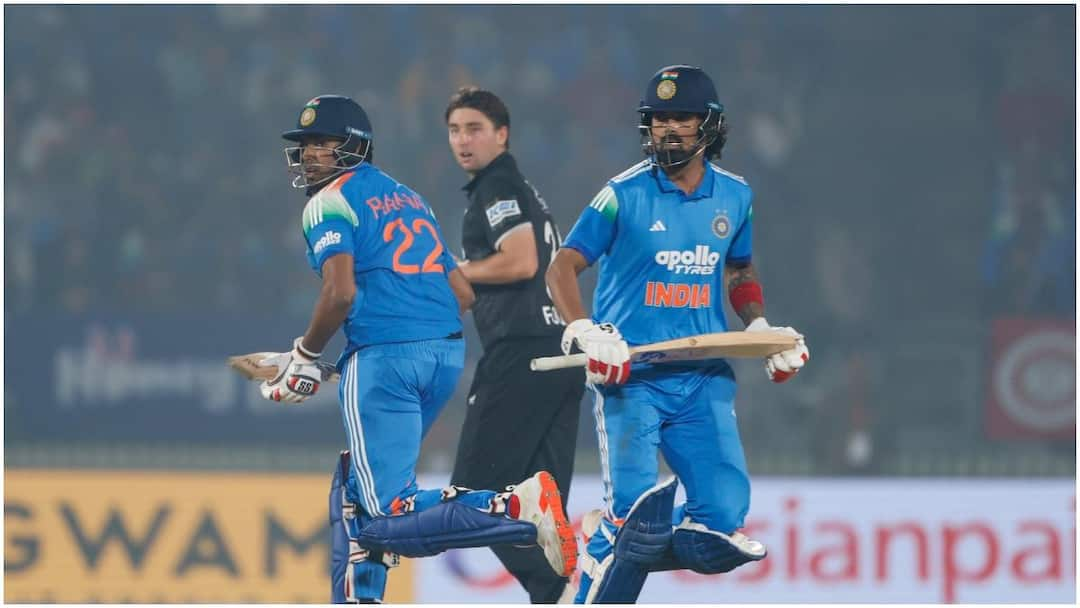
The three-match ODI series being played between India and New Zealand has reached an exciting turn. Team India won the first ODI in Vadodara while Kiwi team won in Rajkot. Now the third ODI match between the two teams will be played on Sunday, January 18 at Holkar Stadium in Indore. Whichever team wins this match, the series will be named after it. The Indian team, which has an excellent record in ODIs at home till now, will have to perform well in all three departments in the third and final ODI match to be held on Sunday to win the series against New Zealand. At the same time, the New Zealand team will also have its eyes on creating history by winning the series.
Let us tell you that since March 2019, Team India has not lost any bilateral ODI series on its home ground. Then, after falling 0-2 against Australia, the Indian team made a strong comeback and won the series 3-2. However, now this record of India is at stake. This match is also very important for New Zealand. The Kiwis have toured India for bilateral ODI matches since 1989, but have never won an ODI series here.
Team India’s head coach Gautam Gambhir would not want the team to face another series defeat at home under his leadership. Especially when he has made many unwanted records. Under Gambhir’s tenure as coach, India has lost five Test matches at home and lost the ODI series in Sri Lanka for the first time.
India’s defeat in the second ODI played in Rajkot was not because of any one extraordinary innings but because of New Zealand’s excellent control in the middle overs. Daryl Mitchell’s unbeaten century was based on planned aggression. He especially targeted India’s spinners. This is one department in which India seems to be struggling in recent times.
Due to the small boundary of Holkar Stadium in Indore and the bowlers getting very little help from the wicket, the scope for error becomes even less. Questions are also being raised on India’s ability to face spin bowling. Despite the depth and strength of the team’s batting, its batsmen are looking uncomfortable in front of the spinners in the middle overs. Batsmen are not able to rotate the strike on important occasions. Now on a high-scoring ground, the middle overs can prove to be decisive.