12 Nov 2025, Wed

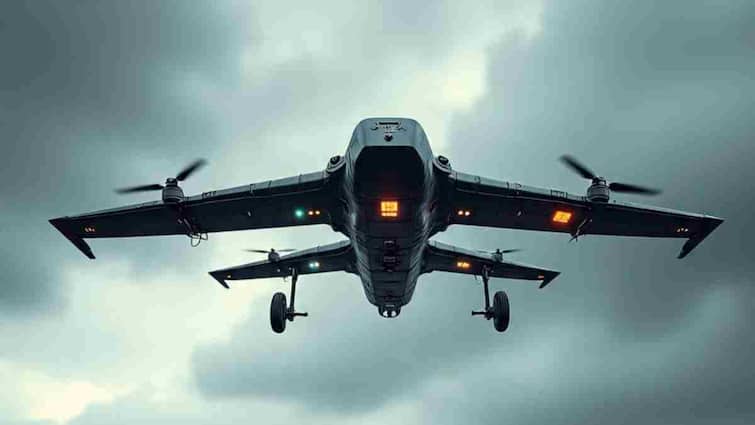
'Rama' means Radar Absorption and Multispectral adaptation is an indigenously developed nanotechnology -based coating that can cheat enemy radar and infrared sensors up to about 97%. This coating is prepared with a special mixture that absorbs radar signals and converts it into heat and also reduces the thermal identity of the drone to a great extent. This technique has been developed by Hyderabad's startup company Veera Dynamics and Binford Research Labs in collaboration with the Ministry of Defense.

‘Rama’ means Radar Absorption and Multispectral adaptation is an indigenously developed nanotechnology -based coating that can cheat enemy radar and infrared sensors up to about 97%. This coating is prepared with a special mixture that absorbs radar signals and converts it into heat and also reduces the thermal identity of the drone to a great extent. This technique has been developed by Hyderabad’s startup company Veera Dynamics and Binford Research Labs in collaboration with the Ministry of Defense.

This stealth drone is weighing about 100 kg and can fly with a payload of up to 50 kg. Compared to traditional drones, it can infiltrate the enemy limits with much more success. Generally, when 100 drones are sent, only 25-30 are able to reach the target, but these new drones with Rama technology can reach the target with 80 to 85% success.

This stealth drone is weighing about 100 kg and can fly with a payload of up to 50 kg. Compared to traditional drones, it can infiltrate the enemy limits with much more success. Generally, when 100 drones are sent, only 25-30 are able to reach the target, but these new drones with Rama technology can reach the target with 80 to 85% success.

CEO Sai Teja of Veera Dynamics said that the technology will soon reach the final testing phase and by the end of 2025 it can be included in the Indian Navy fleet. At the time of the fight, the enemy usually first catches the presence of drones from radar and then targets it with infrared guidance.

CEO Sai Teja of Veera Dynamics said that the technology will soon reach the final testing phase and by the end of 2025 it can be included in the Indian Navy fleet. At the time of the fight, the enemy usually first catches the presence of drones from radar and then targets it with infrared guidance.

But this new dual stealth drone has the ability to dodge both these techniques so that it rests in the battlefield longer and can attack more effectively.

But this new dual stealth drone has the ability to dodge both these techniques so that it rests in the battlefield longer and can attack more effectively.

Along with this, India also successfully tested two important ballistic missiles like Prithvi-2 and Agni-1 from the test range in Chandipur, Odisha. Prithvi-2 is a completely indigenous missile, capable of attacking up to 350 km and can carry 1,000 kg of payload. At the same time, the Agni-1 missile has the capacity to penetrate the targets ranging from 700 to 900 km and is capable of carrying 1 ton of explosives.

Along with this, India also successfully tested two important ballistic missiles like Prithvi-2 and Agni-1 from the test range in Chandipur, Odisha. Prithvi-2 is a completely indigenous missile, capable of attacking up to 350 km and can carry 1,000 kg of payload. At the same time, the Agni-1 missile has the capacity to penetrate the targets ranging from 700 to 900 km and is capable of carrying 1 ton of explosives.

Published at: 20 Jul 2025 07:41 AM (IST)

Technology Photo Gallery

Technology web stories

Source link

By Admin

Leave a Reply

Your email address will not be published. Required fields are marked *