
 By Admin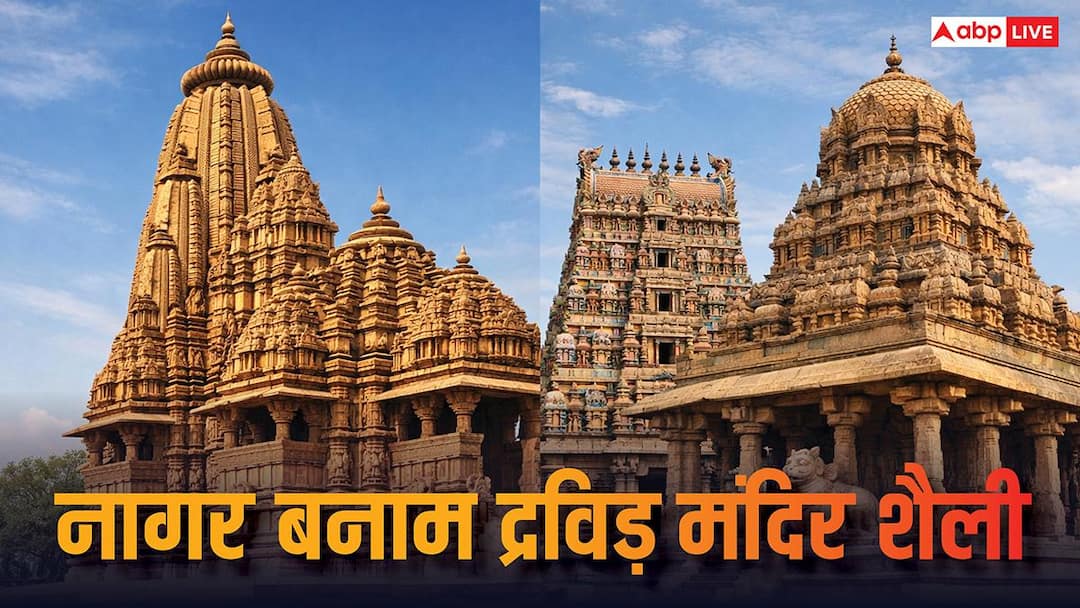
Nagara and Dravidian style temples: The spiritual soul of India is expressed through architecture in thousands of temples spanning from the snow-clad peaks of the Himalayas to the scorching plains of Tamil Nadu. Although these temples serve the same spirit of ritual, devotion and spiritual harmony, they are built according to two very different styles.
The Nagara style of North India and the Dravidian style of South India are very different from each other’s design. These reflect deep diversity in history, culture, climate and worldview. Let us know what is the difference in the architecture of these two Indian temples?
Why is the temple of Lord Jagannath Swamy different from other Vishnu temples? Know the secret behind this?
Based on Temple Nagara style of North India
Nagara style originated in North India in the Gupta period (about 5th century AD), which is called the Golden Age of Indian art and literature. This style flourished especially in North Indian states like Uttar Pradesh, Madhya Pradesh, Rajasthan, Odisha and Bihar.
The special feature of the Nagar temple is its curved shikhara, which rises sharply above the sanctum sanctorum. This vertical, elevated shape was created to attract the gaze and soul of the devotee upward, symbolizing worldly salvation.
The sanctum sanctorum is usually dark and meditative, providing a space for spiritual introversion.
Nagara temples are generally small, with minimal walls and gates, and more emphasis on verticality than grandeur. Some of the most revered city temples include the Kandariya Mahadev Temple at Khajuraho, the Konark Sun Temple and the Kedarnath Temple located in the Himalayas.
Dravidian style based on southern regions
Unlike the Nagara style, the Dravidian style began to develop during the reign of the Pallava dynasty around the 6th–7th century AD, but the style flourished during the reign of the Chola, Pandya and later Vijayanagara kings. This temple is prominent in the southern states of Tamil Nadu, Karnataka, Andhra Pradesh and Telangana.
Unlike the tall shikharas of Nagara temples, Dravidian temples have pyramidal towers, called vimanas, built immediately above the sanctum. But even more than this, their huge Gopurams are the center of attraction. These grand gateway towers are usually larger than the sanctum sanctorum and are decorated with sculptures of gods, goddesses, demons, dancers and animals.
Dravidian temples are built like a fortress, with high walls enclosing several concentric courtyards that encourage circumambulation, religious activities and community celebrations.
These temples are made of hard granite, which is ideal for the southern region with humid and monsoon climate. Famous examples include the Brihadeeswarar Temple of Thanjavur, the Meenakshi Temple of Madurai, the Rameshwaram Temple and the Virupaksha Temple of Hampi.
Disclaimer: The information provided here is based only on assumptions and information. It is important to mention here that ABPLive.com Does not constitute any endorsement or verification of information. Before implementing any information or belief, consult the concerned expert.