
 By Admin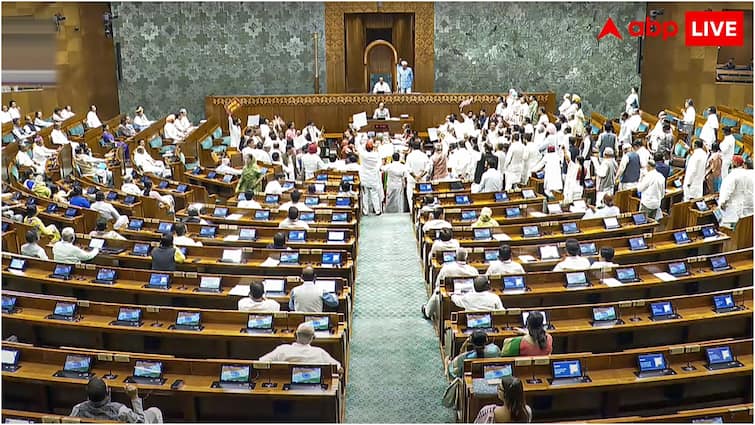
In India, when a leader is accused of corruption or any other serious crime, questions arise from the public and the opposition whether he will continue in the post now. We all have seen many times that some leaders sit in their post despite arrest. This was seen during the time of former Delhi CM Arvind Kejriwal, when he did not resign from his post even while in jail. This not only breaks the trust of the public, but also spoils the image of democracy.
A big and historical step is being taken in Parliament to deal with such situations. A new Constitution Amendment Bill (130th Constitution Amendment Bill) has been introduced, which is aimed at that if a Prime Minister, Chief Minister or Minister is arrested in a serious crime and remains in jail for 30 days, his post will automatically go on. In such a situation, let us know what this new rule says, how will it work and what are the laws about it in other countries.
What is the new constitutional amendment bill?
The new Constitution Amendment Bill talks about changes in the Constitution of India, two essential articles, Article 75 and Article 164. Both these articles are associated with the posts and appointments of ministers of the center and states. In Article 75, a new provision will be added to Provision 5 (A) and Article 164, which will apply to the Prime Minister, Chief Minister, Union Minister and Minister of State. If a minister or Chief Minister is arrested in a crime in which he can be sentenced to 5 years or more and he remains in police custody for 30 days, then he will not hold his post from 31st day. He will be removed from the post by the President (or Governor). If the Prime Minister (or Chief Minister) himself is implicated in the charge and does not resign, then his post will automatically end.
Why is this rule important?
There are many examples in India when the leaders did not leave their post even after arrest. In such cases the image of the government is tarnished and the opposition repeatedly demands resignation. After this bill, the opposition will not have to ask for resignation and if a minister is in jail and the bell is not found, then after 30 days his post will go on its own. If a minister is arrested for committing such a crime, in which he can be sentenced to at least 5 years and remains in custody for 30 days, then he will either have to resign, or he will be considered removed from the post on the 31st day.
What is such rules in other countries?
If we compare this new rule of India to other democratic countries, then we will find that the accountability and morality of the leaders are given more importance there. There are such rules in many countries, where there is a moral pressure to resign as soon as a case is accused. For example, in Israel, Japan, Britain, South Africa, Australia, many times without court decisions, resigned on the basis of investigation. Ethics and responsibility are given great importance in these countries. Many times leaders also leave the post only because of rumors. With this, if a serious matter proves to be against the President or the Governor, then the process of impachment can begin.
Also read: These 10 states of India remain the most unemployed, seeing the figures will fly away